

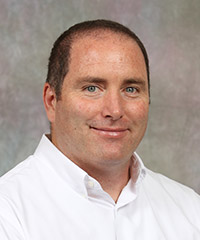
In November, the university rolled out a new ombuds office. Mary Bohlen, assessment and accreditation consultant, and Dr. Christopher Herr, head of the theatre and dance department, are serving three-year terms as ombuds. We recently chatted with them about the types of problems they help with, why this service fills a gap and how people can reach out.
Q&A
On the Role of an Ombuds

Academic Expressions: What does an ombuds do?
Mary Bohlen: In a nutshell, we listen. The United States Ombudsman Association has established four guiding principles for this work; ombuds are informal, impartial, independent and confidential. We serve students, faculty and staff. Our goal is to be active, considerate listeners who can help resolve problems in an informal way. If someone wants to pursue a formal route, we will support them by guiding them toward those resources. But sometimes people want to reach a resolution through an informal process, so we’re here to listen and provide a confidential space.
Christopher Herr: I have nothing to add! That was a perfect answer.
AE: What types of problems can you help with?
CH: It could be interpersonal conflicts with colleagues, supervisors or direct reports. It could be issues between faculty and students. But it’s not limited to conflicts. It might simply be a question of information, such as “What’s the process for doing this?” Or, someone might need help finding specific resources or “next steps.” If you’re feeling stuck with something or unable to reach a resolution, talking to an ombuds can be helpful. For example, if you feel you need to have a difficult conversation, we can rehearse it. And it’s always the visitor’s choice to decide what path they want to pursue.
MB: Yes, it’s important that we empower people to make their own decisions. We listen, and we ask questions that might help people envision their ideal outcome. We talk through available paths and support them in choosing the one they believe is best for their situation.
How Ombuds Are Positioned to Help
AE: How is this resource different from what’s been available in the past?
CH: In my experience as a faculty member and as a department head, I’ve found that when people have a problem, they want to reach a reasonable resolution, but they don’t always want to pursue a formal path. Often, they want something that’s in between filing a grievance and doing nothing. The ombuds office helps fill this gap, and I’m really excited the university is committed to it.
MB: And this doesn’t replace those formal processes. If someone wants to talk to an ombuds and ultimately decides to pursue a formal process, that’s totally fine. This office is just an extra resource.
CH: The whole goal is to communicate options, not tell people what to do.
AE: You’ve mentioned that when people speak to an ombuds, it’s confidential. But, is there anything you’re required to report?
MB: If there’s a Title IX concern, that must be reported. The other thing we’re required to report is if there’s an indication that someone is a threat to themselves or others. Other than these concerns, we won’t keep records that are individually identifiable.
AE: And are there types of problems you’re not in a position to help with?
CH: We don’t participate in any formal university grievance processes — not as a representative or as an advocate. We don’t take sides. And we don’t advocate for the university or the administration, either. We are here to be independent.
AE: So “neutral” really does mean neutral.
CH: Absolutely. That’s very important.
How to Reach Out
AE: How can someone reach out?
CH: There are a few ways. On the ombuds office website, there is a meeting request form [listed under “Submit a Question or Concern”]. There’s also an ombuds email. If you want to reach out with the highest degree of confidentiality, you may prefer texting our personal mobile numbers, which are listed in our contact information on the website. And if someone wants to stop by my office and ask for a meeting, that’s fine, too.
AE: Does it matter which of you they reach out to? For example, should faculty reach out to faculty, or staff reach out to staff?
MB: Not at all. We both meet with faculty, staff and students.
Why This Role Makes a Difference
AE: Around campus, you’re both known as great listeners, which makes you natural fits for this role. But why did you want to take it on?
MB: I’ve been part of this campus — off and on, in one form or another — since I was 18. And as cliché as it may sound, I really care about the university. I get excited about developing and maintaining a positive culture. Knowing that the university is serious about caring for students, faculty and staff is really important to me. And everyone who makes up this university is important to me, so I wanted this chance to be a helper.
CH: Agreed. I’ve been here 21 years, and I believe this service is important. Our organization is complex. Sometimes, people need someone to help them navigate the complexities. That’s why we’re here.
Discover more from Academic Expressions
Subscribe to get the latest posts sent to your email.