By Dr. Charlene Berquist, Director, and Heather Blades, Associate Director
One of the high-impact campus programs offered by the CDR is a restorative justice program aimed at Missouri State students who have violated the code of student conduct at the University. This program, offered in partnership with the Office of Student Conduct, includes services designed to help students understand how their code violations have impacted others and build skills to help them have more positive outcomes in the future (academically, interpersonally, and professionally). Typically these services are offered face to face, but in light of COVID-19 the CDR made adjustments to allow this program to be offered virtually.
About Restorative Justice Campus Conduct Programs
Restorative justice is a response to problematic conduct that focuses on how this conduct causes harm to people, relationships, and the community. Restorative approaches to campus conduct violations work to repair the harm caused by doing the following:
- Including (when possible) all those impacted by the conduct violation,
- Encouraging those who commit conduct violations to understand the impact of their actions, and
- Reintegrating those who have committed conduct violations into the campus community by providing opportunities for them to demonstrate their understanding of the harm, address personal issues, build skills, and repair the harm caused by their actions.
The restorative approaches to campus conduct violations offered by the CDR include victim-offender dialogue, programs to help those who violate the code of conduct understand the impact of their actions, and restorative communication and conflict coaching.
Communication and Conflict Coaching via Zoom
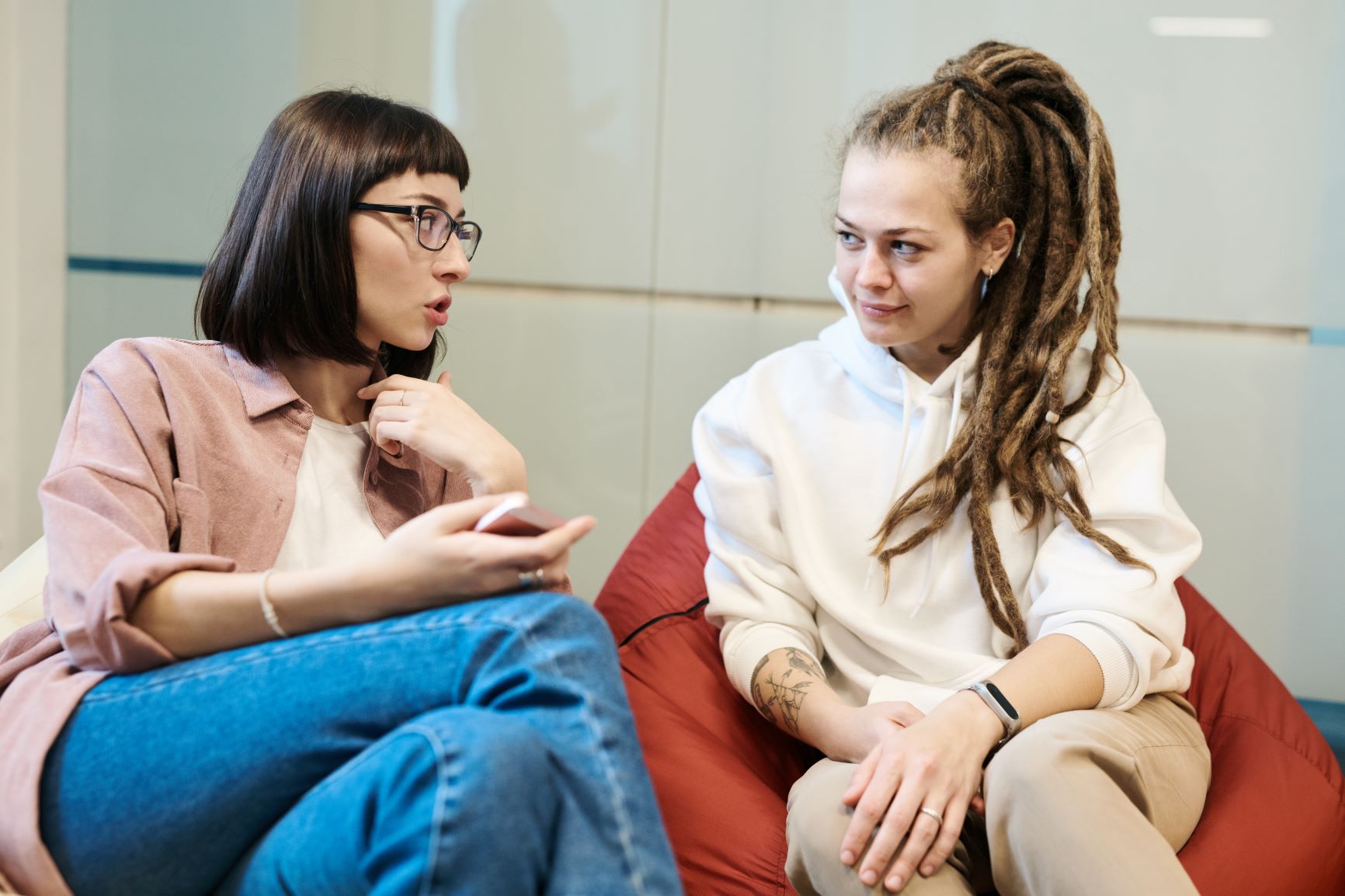
 Of all the restorative services offered by the CDR for students referred from the Office of Student Conduct the most widely used is Communication and Conflict Coaching.
Students have been referred to Communication and Conflict Coaching for conduct violations ranging from verbal altercations to physical misconduct to harassment. These students take part in three or more coaching sessions with a trained coach. These sessions allow students to work one-on-one with a CDR coach to explore the factors that led up to their conduct violation and the impact their violation had on them and others. Students then receive targeted coaching to help them build the skills they need to address the personal communication and conflict management issues that may have contributed to the conduct violation.
While coaching is typically done in person, in light of COVID-19 the CDR has transitioned to offering this valuable resource via Zoom to students referred in the spring. These Zoom video-conference sessions allow coaches and students to privately connect and continue to work on building the skills students will need to be successful, either in future academic semesters or in their professional and personal lives.
Although students are typically required by the Office of Student Conduct to take part in Communication and Conflict Coaching, after the experience students overwhelmingly report that the coaching process has been a positive experience that has helped them build their skills and consider new ways of communicating more effectively with others. In the words of one student participant, “At first I wasn’t sure what to expect, but I appreciated being able to talk about how I can talk to my friends and girlfriend when I’m upset without it turning into a big fight. I have a better handle now on how to express myself.”
Dr. Andrea Weber, Assistant Dean of Students and Director of Student Conduct, further explained students’ responses to the program: “Over the past year, the Office of Student Conduct has referred a number of students to the CDR for coaching. We refer students who need to learn how to have healthy relationships, address conflict in a positive way, and constructively talk out their feelings and emotions. Overwhelmingly, the students who have participated in this process end their sessions by saying it was worthwhile and they learn a lot about themselves. The students also say that they have a better understanding of how they will have relationships in the future.”
This program was originally developed thanks to grant funding provided by National Association for Community and Restorative Justice .
For More Information
For more information on the CDR’s Restorative Justice in Campus Conduct programs, or other campus services offered by the CDR, visit the CDR’s website or email CDR@MissouriState.edu .