Missouri State University

Skip to content Skip to navigation
a b c d e f g h i j k l m n o p q r s t u v w x y z

International Business Programs Blog

Insight and inspiration for students abroad

STFD Recap: Exploring the Economy of the Celtic Tiger – Ireland 2026

September 15, 2026 by Alyson Harter

Over Spring Break 2026, 14 students took the leap to study abroad on the short-term faculty directed program to Ireland, which offered a fascinating blend of rich history, culture, and economic growth. During the program, students explored Ireland’s economy, including trade, tax policy, and its evolving relationship with the European Union and United Kingdom. Along the way, they gained insight into Ireland’s transformation of the “Celtic Tiger” and its role in an increasingly connected world. Led by Dr. Benjamin Beranek, many participants had very positive things to say about both the instructor and the travel itself: 


“Program and Professor were excellent! It was a great way to kickstart my travels abroad.”      


“Extremely eye-opening and
made lots of great friends.”


“Our professor used our time prior to travel to familiarize us in each city by books and presentations and when we were there it all came to life”

A Day by Day:  

March 14-15, 2026 – Springfield to Dublin 
The adventure begins! After departing Springfield, the group made their way across the Atlantic to Dublin, Ireland. With a new country, new experiences, and an exciting week ahead, the journey is officially underway. After arriving in Dublin in the late afternoon, the group transferred to their hotel for a group dinner and began exploring places near the hotel. 

March 16, 2026 – Welcome to Dublin 

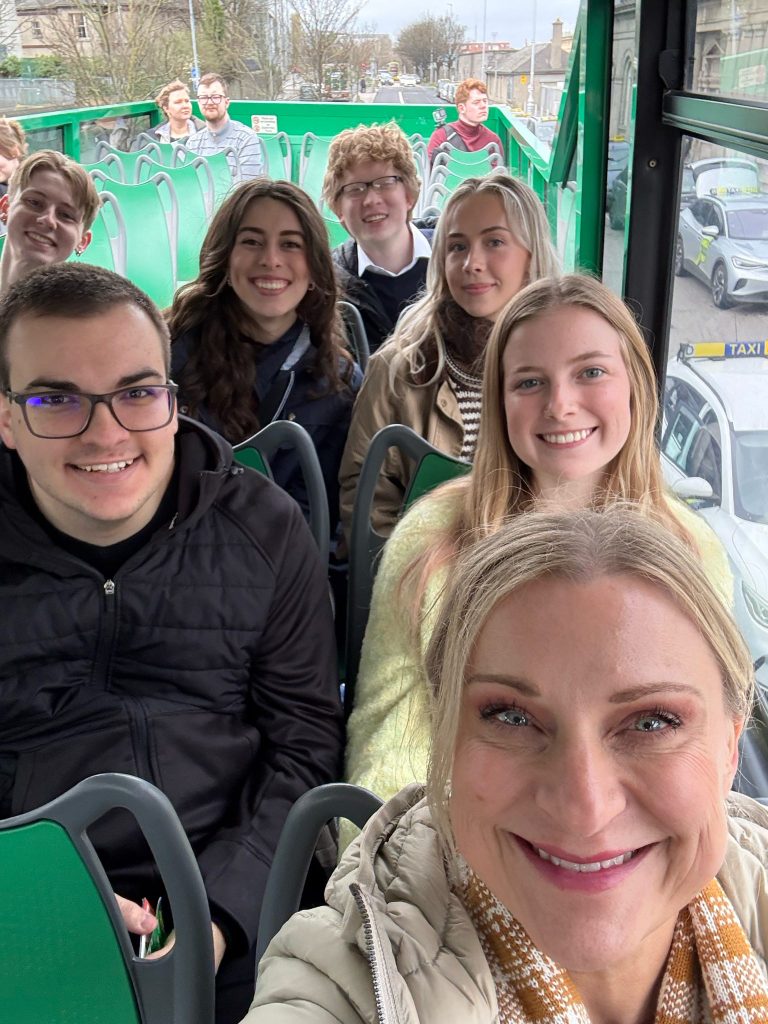
What better way to kick off the adventure than with a Dublin Hop-on-Hop-off bus tour? This sightseeing experience offers a great introduction to Dublin’s famous landmarks, historic streets, and lively neighborhoods while giving everyone a first taste of the city’s unique character.


After the bus ride, the group got a campus tour of Trinity College Dublin where they learned all about college life in Dublin and got to ask current students questions about their experience there. After lunch, students immersed themselves in the Book of Kells Experience, which is a world-famous library known for its history, beauty, and exciting digital displays. The rest of the day was free time for students. 

March 17, 2026 – St. Patrick’s Day in Dublin 

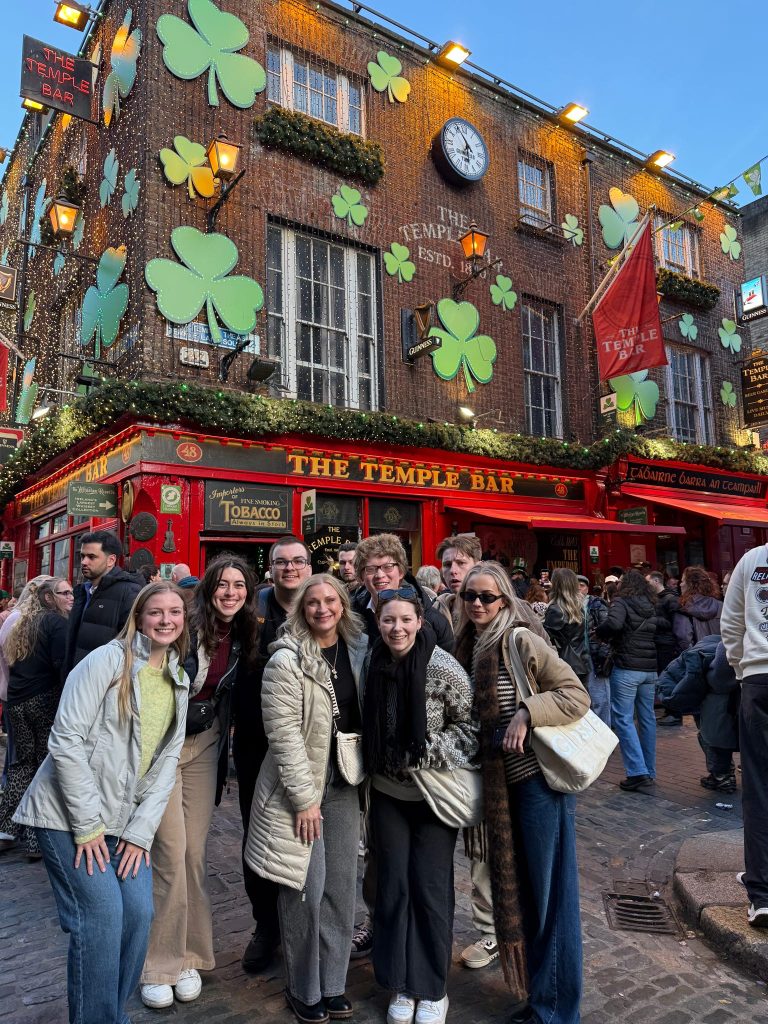
There may be no better place to celebrate St. Patrick’s Day than Dublin itself! Students experienced the excitement and energy of Ireland’s national holiday firsthand as the city came alive with celebrations, music, traditions, and plenty of Irish pride. It was a chance to experience a celebration that is deeply connected to the country’s culture while making memories that will last long after the experience is over. 

After watching the parade, the group went to the Guiness Storehouse Experience
, which included entry to the Gravity Bar where you can see 360° views of the city from the top floor. It is one of the most iconic attractions in Ireland since it is the home country of the famous product. Later that night, the group met up again to attend a concert at the National Concert Hall to hear The Gralton Big Band! This show brought stories to life through dancing and traditional Irish music, including swing and jazz. 
 

March 18, 2026 – Dublin to Belfast 

That morning, students continued their journey north to Belfast, Northern Ireland. After traveling to the city, the group took part in a guided tour to explore Belfast’s fascinating history and character, including the Titanic Belfast and murals from the “Troubles”. From its historic landmarks to its vibrant city center, Belfast offered a new perspective on the island of Ireland and plenty to discover, so students had the rest of the day to spend it how they choose.

March 19, 2026 – Business & History in Belfast 

This day combined professional exploration with a look into Belfast’s intriguing past. Students took part in a business visit with the Belfast Chamber of Commerce, which provided another opportunity to learn about the local business environment and industries. Later, the group visited Crumlin Road Gaol, a historic former prison that offers a fascinating glimpse into Northern Ireland’s complex history.

March 20, 2026 – Belfast to Galway 

It’s time to hit the road again as the group travelled from Belfast to Galway, with memorable stops at Ireland’s oldest pub and Clonmacnoise along the way. This historic monastic site, located along the River Shannon, offers a chance to step back in time and explore an important piece of Ireland’s ancient heritage. By the time the group reached Galway, they experienced yet another side of Ireland’s rich history.
March 21, 2026 – The Wild Beauty of Western Ireland  

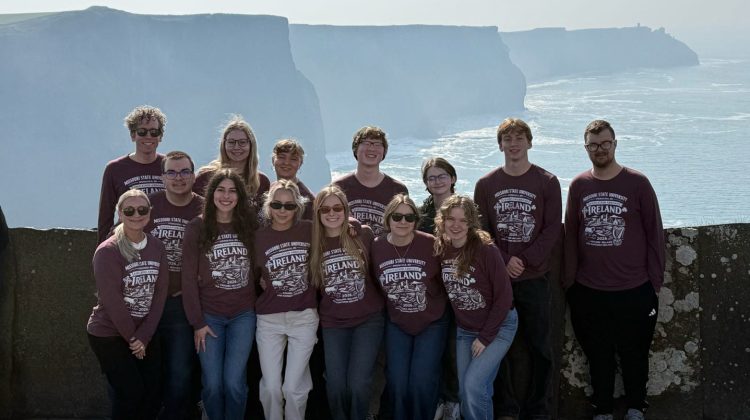
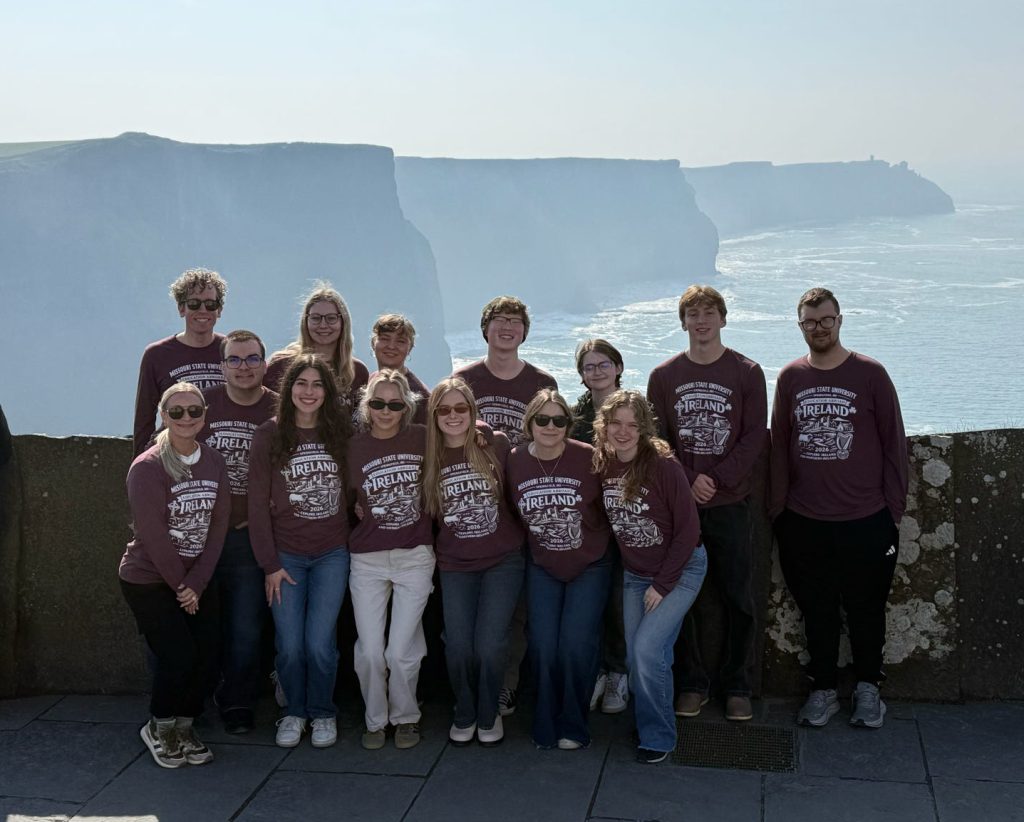
The final full day brought one of the program’s most spectacular adventures: sightseeing through the Burren and the Cliffs of Moher. Known for its dramatic limestone landscapes and rugged Atlantic coastline, the Burren offers scenery unlike anywhere else in Ireland. The journey continued to the iconic Cliffs of Moher, where towering cliffs meet the Atlantic Ocean for an unforgettable view. It was the perfect way to wrap up a week filled with exploration and adventure.

March 22, 2026 – Galway to Springfield 

After an unforgettable week exploring Ireland, the group travelled from Dublin back to Springfield. From business visits and historic landmarks to St. Patrick’s Day celebrations and breathtaking landscapes, this program offered a unique opportunity to experience Ireland through its business, culture, history, and people. While the journey home marks the end of the adventure, the memories and experiences travelled home with the group and will surely be a topic of conversation for years to come! 

Sign Up for the Next One! 

We are offering another opportunity to study abroad in Ireland during Spring Break 2027. The next one will be led by one of our marketing professors, so it will offer a new perspective on Ireland’s economy while keeping most of the iconic sights this one had. To learn more about that upcoming program, you can follow this link: MSU Short-Term: Emerald Enterprise: Business, Commerce, and Culture in Ireland. The deadline to apply is November 1st and spots are filling fast! 

Also, keep an eye out for any future short-term faculty directed programs led by Dr. Beranek! 

Application Deadlines for Short-Term Faculty Directed Programs
Fall Semester – January Travel Spring Semester Spring Semester – May Travel
October 1st November 1st December 1st


Schedule a meeting with IBP here 

Filed Under: Program Recap Tagged With: Europe, Ireland, STFD Program

Exchanging a Semester in Chester

September 8, 2026 by Alyson Harter

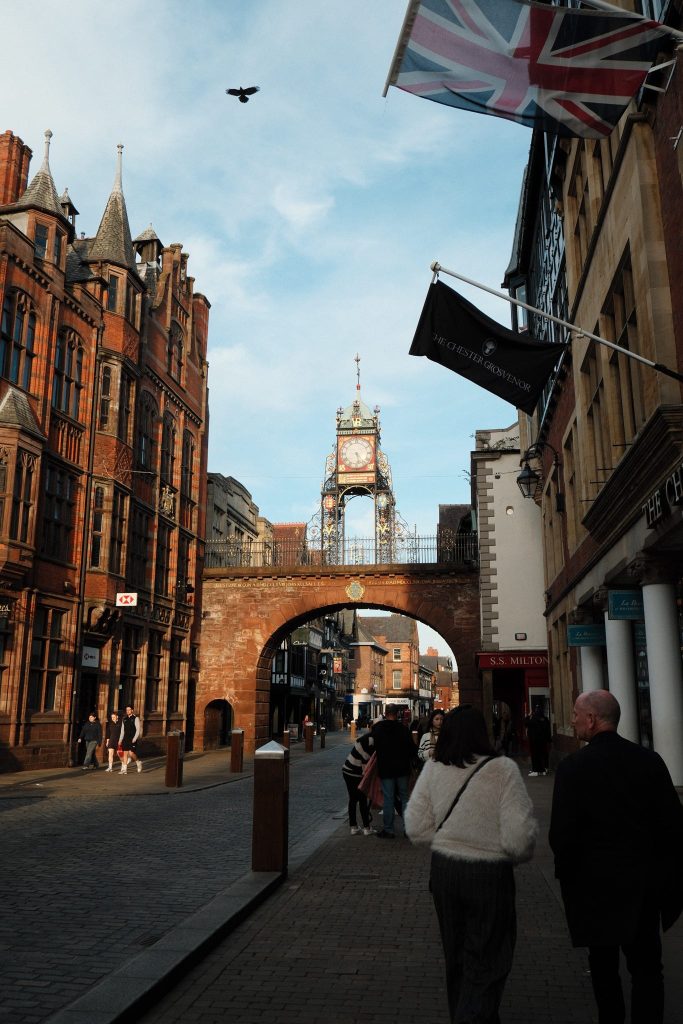
Around this time last year, Kyla Burdick, a marketing major, was studying near the iconic Eastgate Clock atop Chester’s historic city wall in the heart of England. Surrounded by centuries-old sandstone buildings, cobblestone streets, and the fluttering Union Jack overhead, the picturesque view soon became one of her favorites. What was once a new and unfamiliar place became the backdrop for countless memories during her Fall 2025 study abroad journey.

When asked what some of her highs and lows
from her time abroad were,
Burdick responded with this:

“A high from my time abroad was definitely the independence and personal growth I experienced. I feel like I came back more confident and comfortable in my own skin. A low point was the homesickness that hit around the middle of the semester, but even then, I knew studying abroad was the right choice for me.”

Like Kyla, any student can enjoy studying abroad by experiencing a new culture through everyday life, campus activities, and travel. Students might explore historic streets and local landmarks, visit museums, markets, parks, and theaters, or try regional foods and other local traditions. Many programs also offer organized excursions, cultural tours, and social activities that make it easier to meet other international students and become involved on campus. With opportunities to join student organizations, explore nearby cities, and take weekend trips to other destinations, studying abroad allows students to experience their host country from a variety of perspectives while creating meaningful memories along the way. 

Adventures Outside the Classroom

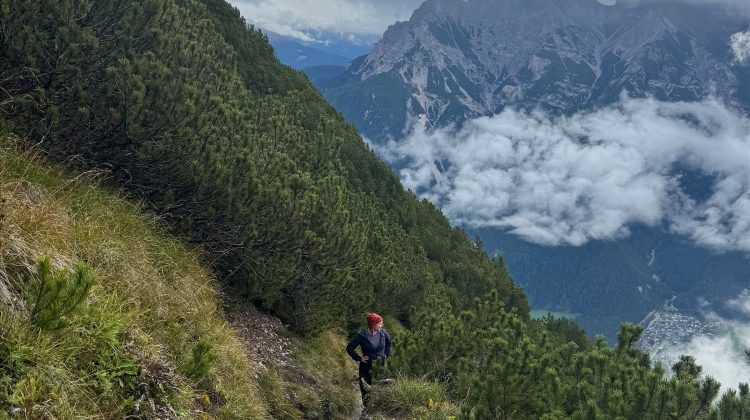
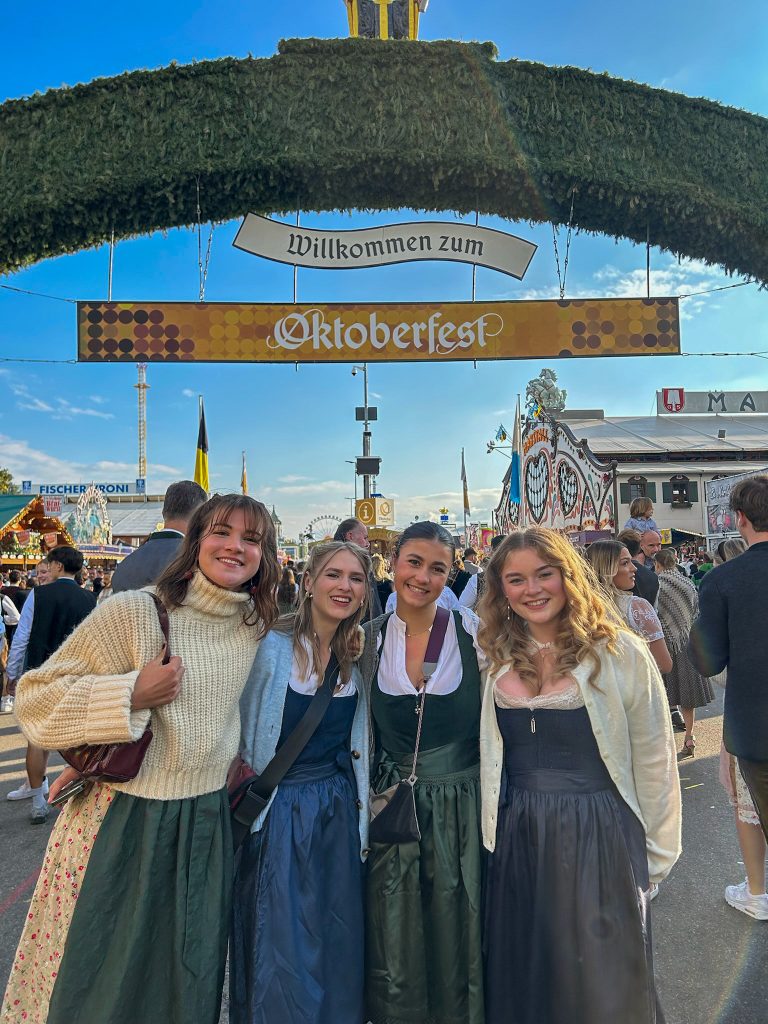
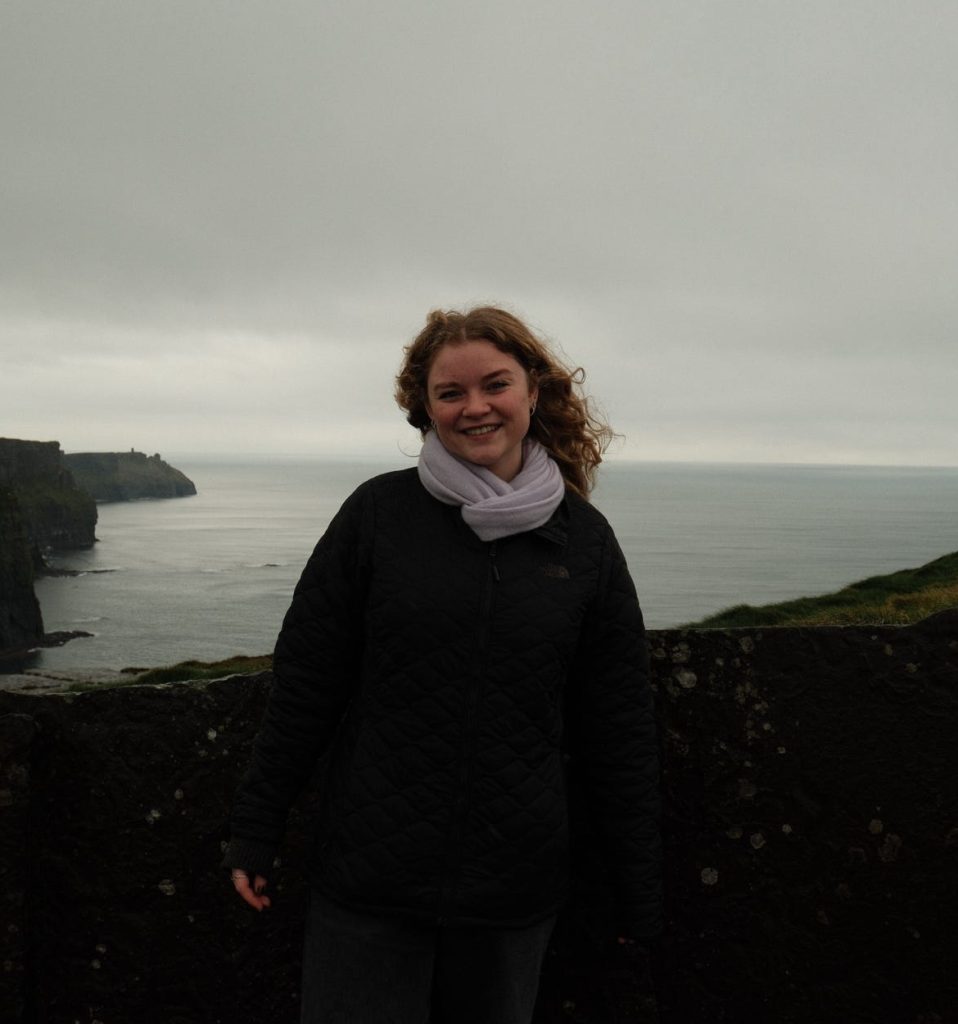
Though Kyla experienced a bit of homesickness, it didn’t stop her from making the most of her time abroad. She traveled beyond England to explore countries like Ireland and Germany, where she stood atop the breathtaking Cliffs of Moher where many famous movie scenes were filmed, and immersed herself in the centuries-old traditions of Oktoberfest with people she met while abroad! Each trip offered a new perspective, allowing her to experience the rich history, culture, and traditions that make Europe so unique – all while creating lasting memories that complemented her academic goals. 


Reflecting on her experience, Burdick shared this advice for future study abroad students:

“My advice for anyone considering studying abroad is to just go for it. We won’t get this time back, and even though it can be scary, it’s truly one of the most rewarding experiences you can have.”


Studying through ISEP Exchange

Burdick found this opportunity through the ISEP Exchange program, where students pay their home institution (i.e., MSU) rates for tuition, housing, and meals. If you are also interested in a program of this type or want to learn more about it, you can find more information about the ISEP Exchange program with the embedded link. 
 
Through the ISEP Exchange program, students can take courses across a variety of disciplines while participating in an intercultural learning program that enhances their study abroad experience. This program with the University of Chester was only one of many different choices that they offer. They are open to any major or minor, so you can tailor your experience to what you need most!  
 

If you want to know more about the application process, please email us, meet with the IBP Director, and/or visit this link to the Terradotta application brochure. 

Schedule a meeting with IBP here 

Filed Under: Student Stories Tagged With: England, Europe, ISEP Exchange, Semester Study Abroad

A German Exchange Experience: Studying in Aachen and Schmalkalden

August 25, 2026 by Alyson Harter

At least once a month, International Business Programs will be spotlighting one of our partners through the Magellan Exchange network. The Magellan Exchange offers students an affordable opportunity to study abroad and get fully immersed in the educational and social life of their host country. Rather than pay a program fee, students pay MSU in-state tuition. Students can choose from semester or academic year programs. Summer, short-term programs, and internships are available in some locations. 

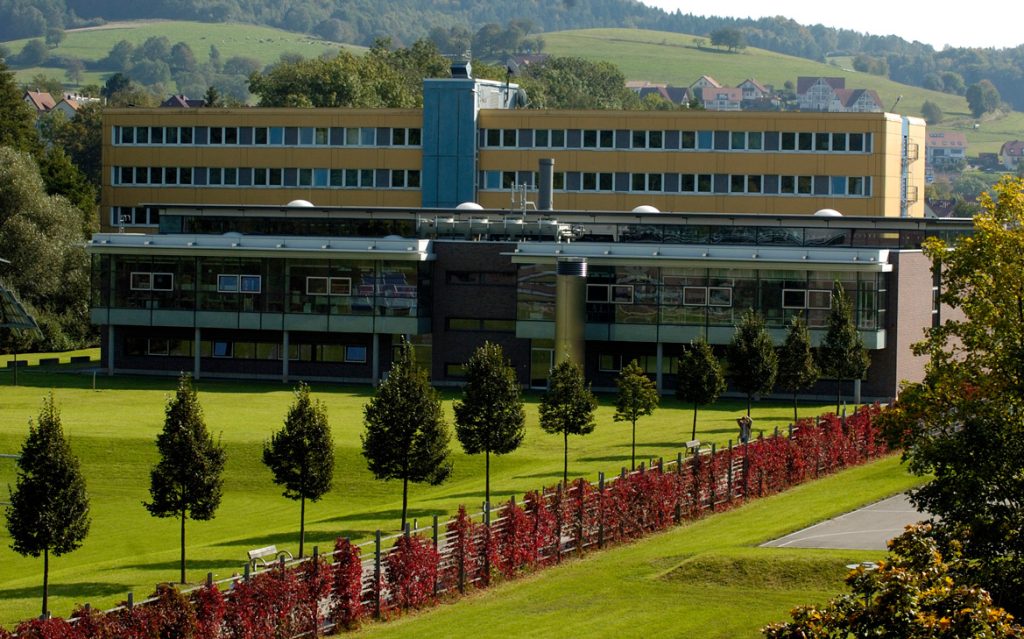
This time, we wanted to spotlight two partner universities in Germany – Aachen and Schmalkalden University of Applied Sciences! Each city offers unique qualities based on which type of experience you prefer. Aachen is the western-most city in Germany, bordering the Netherlands and Belgium, and started as part of the Roman Empire. The university is known for its great ability to teach things hands-on, especially in the engineering and technology fields, but they offer a large variety of business courses as well. Schmalkalden offers a varied mix of innovative courses of study such as multimedia marketing or international business and economics. The town is peacefully situated at the foot of the Thuringian Forest and is praised for its focus on nature and culture. Read on to discover what makes each university and city a great fit for different interests, goals, and lifestyles. 


Students may apply for a semester or academic year:

Aachen University of Applied Sciences:  

Offers free German Language courses! 

See full list of courses here 

Winter (Fall) Semester:
early September to late-February*

Summer (Spring) Semester:
early-March to late-August


Schmalkalden University of Applied Sciences: 

See full list of courses here 

Winter (Fall) Semester:
early October to late-February*

Summer (Spring) Semester:
early-April to early-August


*Note that the fall semester ends in February and taking final  exams early or remotely may not be possible. Any arrangements require advance planning and cannot be guaranteed. Therefore, spring semester participation is recommended. 

Both universities typically offer short-term summer programs as well that work with universities in other cities! To learn more about Magellan short-term and summer programs, see the list of last year’s programs.


Fun Facts about Aachen 

1. The city is home to Europe’s largest thermal springs, offering relaxation and rejuvenation. 

2. It was Charlemagne’s favorite residence, and an important location for the Holy Roman Empire. 

3. There is a special type of gingerbread called Printen that is only allowed to be made in and around the city. 


Fun Facts about Schmalkalden

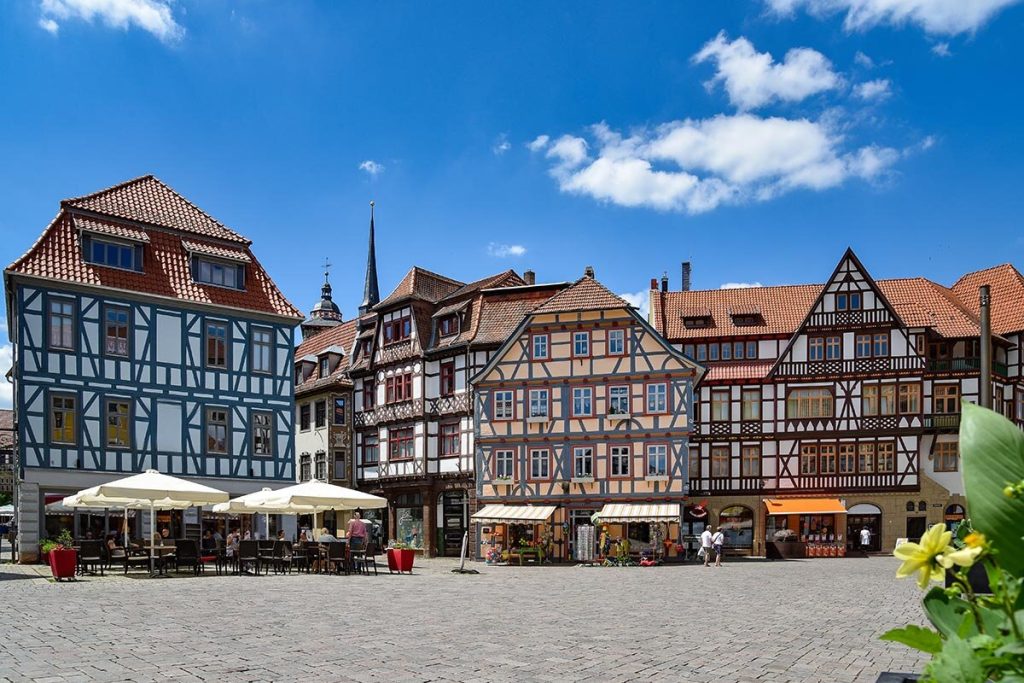
1. About 90% of the original half-timbered houses from the Middle Ages and Renaissance still stand. 

2. The town and its surroundings can be explored on ten circular hiking trails, cycle paths, or by Nordic walking tours. 

3. The university campus boasts a self-contained layout where all facilities are within an easy 5 to 10-minute walk of one another. 


Housing

One of the biggest differences between Aachen and Schmalkalden is the housing experience. While both offer affordable student accommodations compared to many universities in the United States, the setup and availability can vary. 

In Schmalkalden, students can choose from on-campus or nearby off-campus residences. Housing is fully furnished and includes options for private rooms or shared living arrangements. Costs average around €200 per month plus a refundable €300 security deposit. Because demand is high, students should apply for housing at least six months before the semester begins. 

In Aachen, housing is more competitive due to the city’s large student population of around 60,000 students. The International Office assists exchange students with finding accommodations, including shared apartments, dormitories, and private apartments. Housing typically costs €200–350 per month for shared housing or dorms and €250–500 per month for apartments, with a refundable deposit often equal to two months’ rent. Students are encouraged to begin their housing search two to three months before arrival. 

No matter which destination you choose, both cities offer affordable living compared to many study abroad locations. Students studying in Aachen should plan for approximately €934 per month in living expenses, which also aligns with Germany’s proof-of-funding requirements for a residence permit. Whether you prefer the smaller, close-knit feel of Schmalkalden or the bustling university-city atmosphere of Aachen, you’ll find plenty of options to make Germany feel like home. 


Get to Know the Cities of Aachen & Schmalkalden 

Aachen and Schmalkalden each offer unique student experiences. Aachen is a larger, more vibrant city with diverse restaurants, cultural attractions, festivals, and entertainment options. Schmalkalden provides a smaller, close-knit community with an active campus life, strong support for international students, and easy access to outdoor activities. While Aachen offers a bustling urban atmosphere, Schmalkalden is ideal for students seeking a more relaxed and nature-oriented environment. 

Entertainment

Aachen is a vibrant city packed with things to see, do, and experience. Food lovers will find no shortage of restaurants, cozy cafés, lively bars, charming bistros, and quick snack spots to explore. Beyond its culinary scene, the city offers plenty of entertainment, from cinemas and live theater performances to a wide range of sports and recreational activities. History and technology enthusiasts can visit fascinating museums, including the Newspaper Museum and the Computer Museum. Throughout the year, Aachen comes alive with special events – from the colorful celebrations of Karneval in the week leading up to Ash Wednesday to the lively open-air performances held on Katschhof Square during the summer months. And when the holiday season arrives, the city’s enchanting Christmas markets transform Aachen into a festive wonderland, making holiday shopping a truly memorable experience. 

Life in Schmalkalden offers the perfect balance of academics, community, and outdoor adventure. The charming city center is filled with welcoming restaurants, cafés, and traditional pubs, making it easy to enjoy local food and connect with friends. On campus, students have access to a variety of recreational activities, including sports facilities and a pool, while the popular Student Club serves as a lively gathering spot for socializing in the evenings. International students can take advantage of a robust support program organized by the Department of Studies & International Relations, featuring excursions, cultural events, study trips, parties, and other opportunities to explore Germany and build lasting friendships. For those who enjoy staying active, the University Sports Office offers a wide range of activities – from basketball and volleyball to swimming – many of which are free of charge. Surrounded by the scenic landscapes of the Thuringian Forest, Schmalkalden is also an ideal destination for outdoor enthusiasts, with excellent opportunities for biking, hiking, trekking, and skiing throughout the year. 

Shopping

In Aachen, small shops and supermarkets are available and open until 8:00 p.m. Monday through Saturday. Generally, stores are not open on Sundays in Aachen, although the nearby Dutch city of Vaals does have Sunday shopping. 

Schmalkalden has grocery stores and a few retail stores near campus, while more stores and a hypermarket can be found near the city center, approximately 10 minutes’ walk from campus. 

Climate 

For both locations, average temperatures in summer are 64-72ºF, while winter temperatures average about 35ºF.  It is seldom warmer than 80ºF or colder than 25ºF.  Precipitation is evenly distributed throughout the year; periods of freezing weather and snow are relatively short.  


For those interested in studying at either of these universities, you can schedule a meeting with IBP, and visit their respective Magellan pages to learn more about their exchange programs: Aachen University of Applied Sciences and Schmalkalden University of Applied Sciences. 

Visit Schmalkalden UAS’s website here 
Visit Aachen UAS’s website here 

Filed Under: Partner Universities

STFD Recap: Business Practices and Culture in Spain and Morocco

August 18, 2026 by Alyson Harter

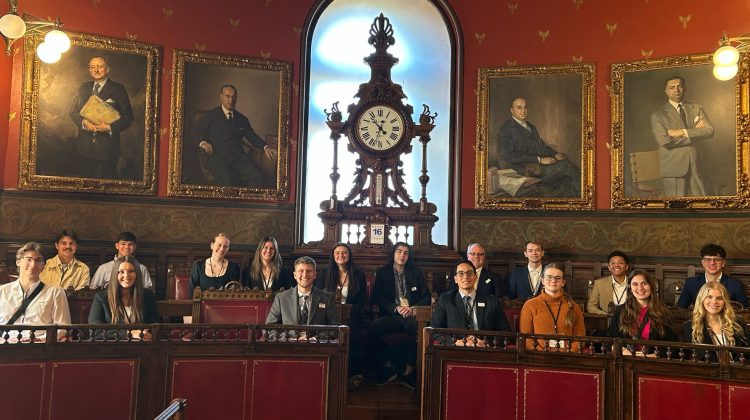
Over the 2026 Spring Break, a group of 16 MSU students went on a short-term faculty directed education abroad program to Spain and Morocco, led by Associate Dean Dr. Kent Ragan. Some of the main cities they visited were Madrid, Barcelona, and Casablanca, where they visited businesses and explored new cultures. From touring the cities and shopping at local markets to riding camels through the desert – these students had a great time during their travels and gave the program director raving reviews for his program-planning expertise: 

 “Wonderful Professor! Very prepared and organized for the entire trip!” 

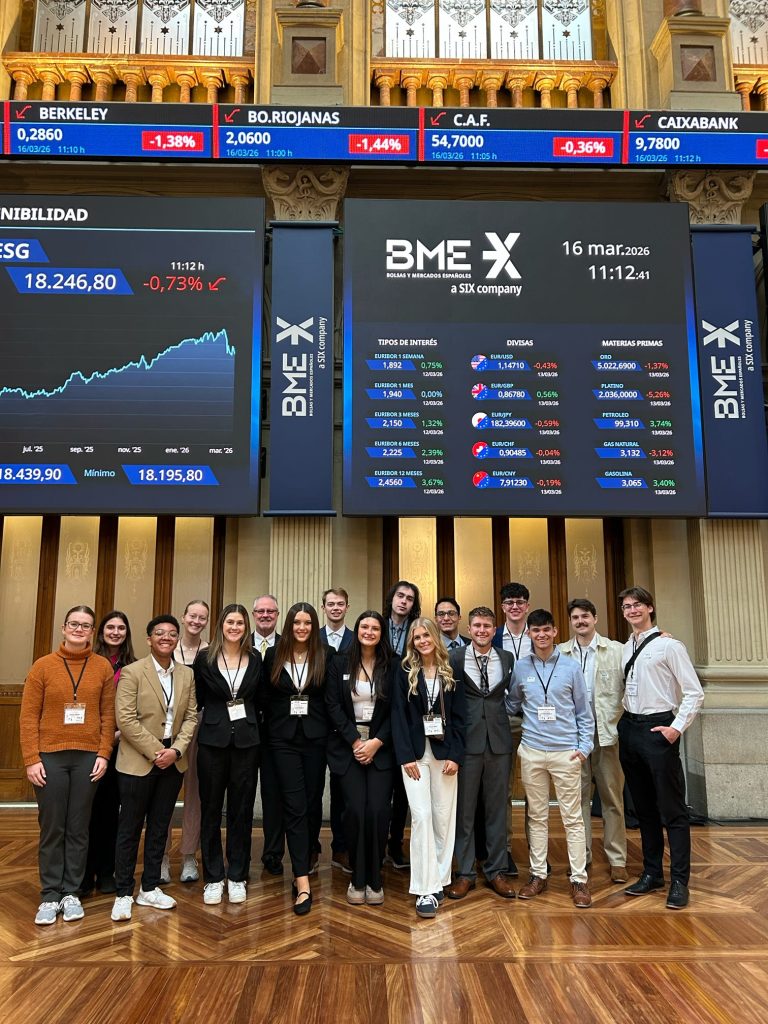
Students stand at La Bolsa de Madrid (Stock Exchange) in Madrid, Spain

“I absolutely loved the program. Dr. Kent Ragan planned
it perfectly, and I would love to go on another trip with him.”

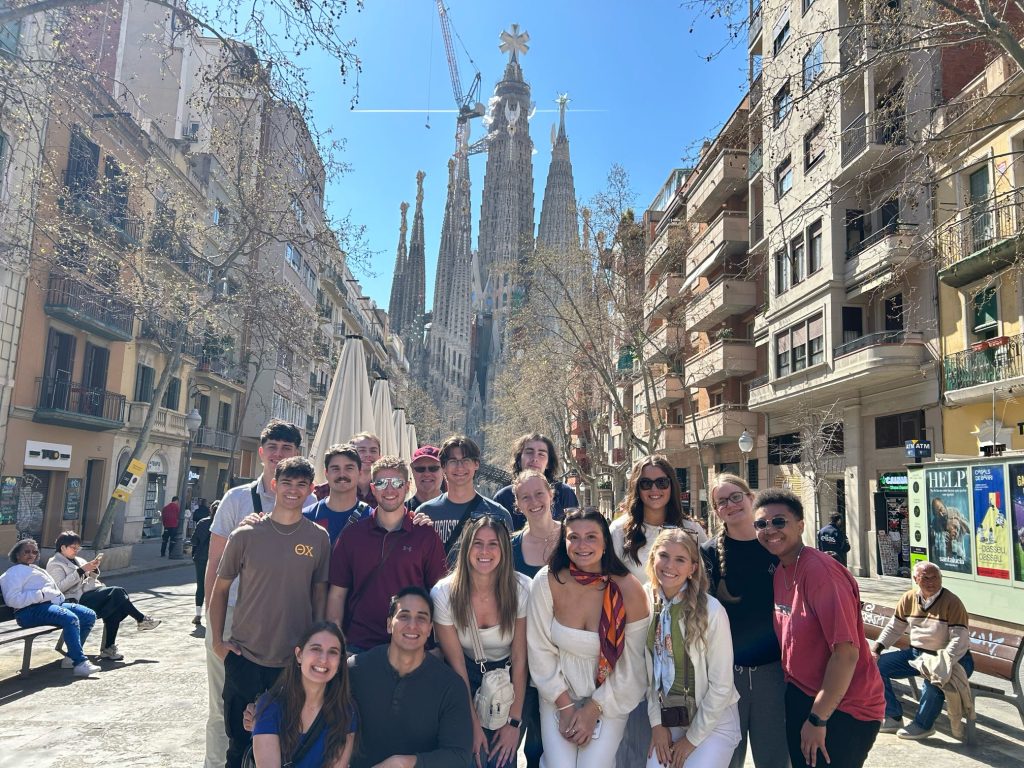
                                       Students pose in front of La Sagrada Familia in Barcelona, Spain


“I
don’t have a single complaint. Dr. Ragan is amazing and so much fun;
 
we have a great group of students here, and we’ve had a blast!” 

Program Details

Before this group of students even left for their program, they were already getting to know each other when meeting up for weekly class, including a dinner and movie night where they watched Casablanca – with candy and popcorn too! Students who participated mentioned that this extra experience helped bond the group, and it made them that much more excited to travel together.  

According to the post-program survey results, multiple students listed seeing the architecture of Spain and Morocco as one of the most desirable aspects of the program – visiting places such as La Sagrada Familia, the Toledo Cathedral, and the Hassan II Mosque. Others were more fascinated with traveling outdoors, shopping, and the overlooking sights. This STFD program had it all! 

Entire group poses in front of Toledo Cathedral in Toledo, Spain

The week began in Madrid, where students settled into the city with a visit to the Royal Palace, a walking tour through its historic streets, and an evening spent watching a traditional flamenco performance. The next day took them beyond the capital to explore the historic cities of Toledo, Segovia, and Ávila, each offering its own unique architecture and centuries of history. 


Students pose at the Royal Palace in Madrid, SpainBack in Madrid, the group visited La Bolsa de Madrid (Madrid Stock Exchange) to learn about international business practices before making time to continue exploring the city. From there, they boarded a train to Barcelona, where they experienced a different side of Spain through a walking tour and a visit to the colorful Park Güell, while also taking part in another business visit to the Absolute Internship Office. 
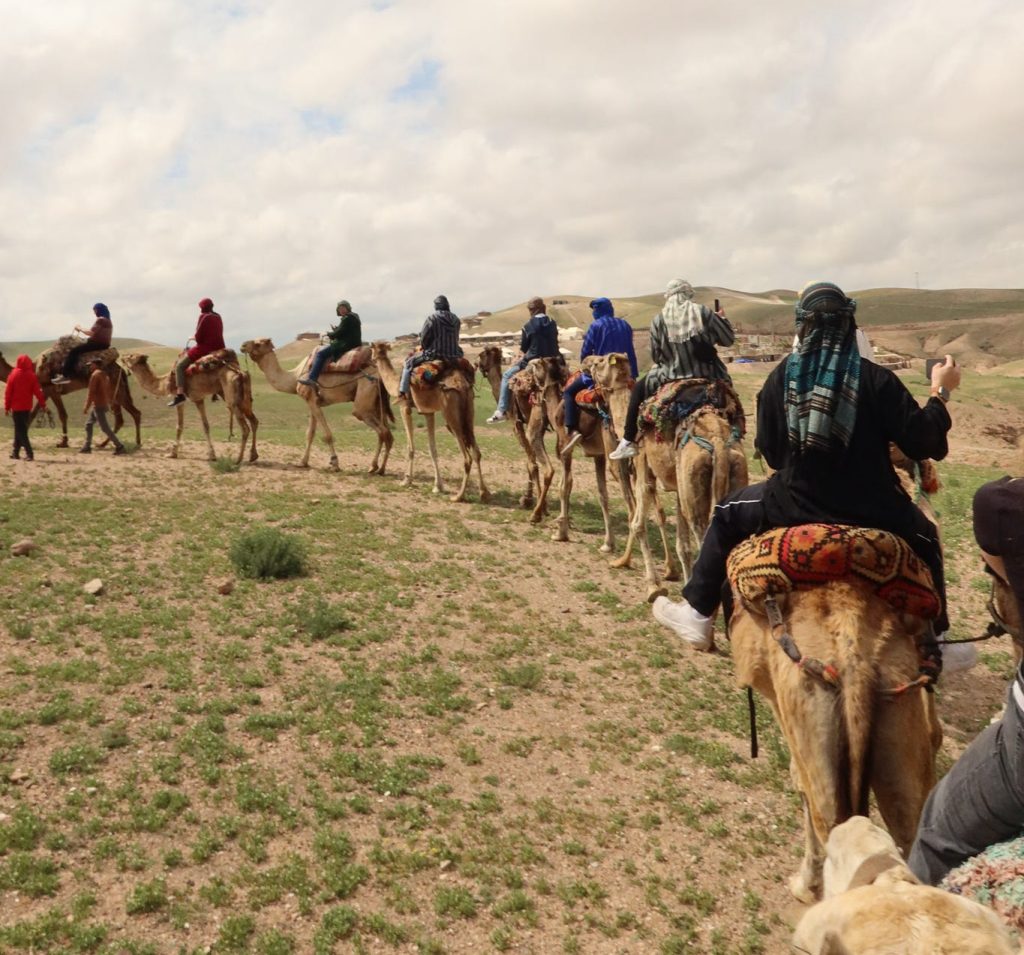
  

Camel Ride in Marrakech, Morocco


The final leg of the journey brought the group to Casablanca, Morocco. After visiting the impressive Hassan II Mosque, students explored the city, met with local business professionals, and gained insight into Morocco’s business and culture. Before heading home, they took a day trip to Marrakech, spending time wandering through its lively streets, historic sites, and bustling markets – a memorable way to wrap up a week of learning and exploration across Spain and Morocco.

Where to Next? 

Dr. Ragan will be leading another short-term program in Spring 2027! This time, he will be taking students to see the iconic cities of Paris, France and London, UK.  

On this upcoming short-term faculty directed program, participants will have the opportunity to meet with business professionals in two of the most popular European cities. The itinerary includes a cruise along the Seine, visits to the Louvre and Notre Dame Cathedral, watching the West End production of Phantom of the Opera, a double-decker bus tour of London, and more! There is also a free day in each city for students to explore whatever they choose. To learn more, visit our Featured Programs page or click this link: MSU Short Term: Business Practices and Culture: France and the United Kingdom. 


Application Deadlines for Short-Term Faculty Directed Programs
Fall Semester – January Travel Spring Semester Spring Semester – May Travel
October 1st November 1st December 1st
–>  Schedule a meeting with IBP here 

Filed Under: Program Recap Tagged With: Africa, Europe, Morocco, Spain, STFD Program

University Spotlight: Payap University in Chiang Mai, Thailand 

March 10, 2026 by Alyson Harter

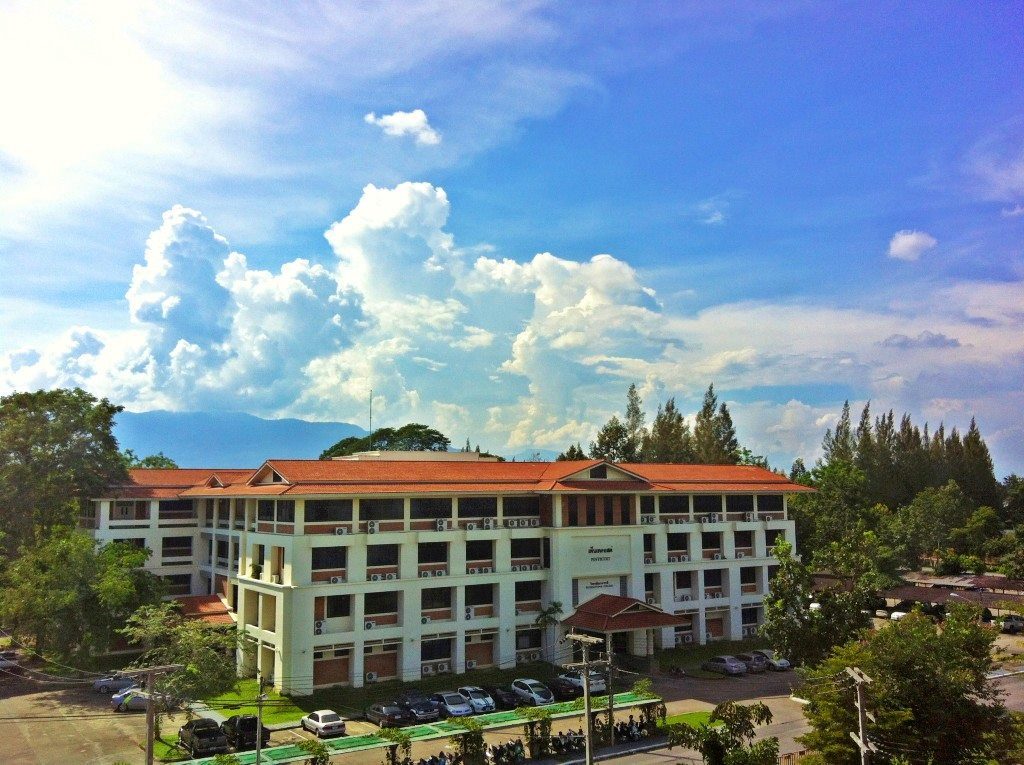
Our next partner university spotlight is Payap University in Chiang Mai, Thailand! This university is relatively new to the Magellan Exchange Program, but they have been an international school for many years that focuses on cultivating global citizens. They are most known for their Information Technology and Hospitality Industry Management Bachelor programs, with many courses focusing on International Business as well. See a list of courses here.


Students may apply for summer, semester, or academic year: 

Fall Semester: mid-August to mid-December
Spring Semester: mid-January to mid-May
Summer Programs: early-July to early-August 

Summer 2026 Programs:

Thai Studies: Language, Culture & Community:

  • July 5-18, 2026 

Sustainable Business:

  • July 26 – August 8, 2026 

Program Fee: approx. $2,000*

*This fee includes accommodation,
breakfasts, lunches, local transport, 
excursions, and cultural/social activities.

Application Deadline: April 30th

 Fun Facts 

1. It became the first private
university in Thailand in 1984. 

2. There are a variety of festivals
throughout the year international
students can participate in to
learn more about Thai culture. 

3. Chiang Mai is famous for its
street food and night markets. 


Housing

Students can choose between living on campus in a dormitory or renting an apartment nearby, depending on their lifestyle and budget. On-campus housing is available at Omega and Alpha Dormitories, where students share accommodation in a supportive campus environment. Room options for two people include Standard Twin, Superior, and Deluxe, while Suites are designed for four students. The cost ranges from approximately $350 to $600 per semester and includes cleaning services, shuttle bus transportation, and utilities. Students who prefer more privacy can select a two-person room and pay the full cost to use it as a single room. 

For those who prefer to live off campus, fully furnished studio apartments are available within close proximity to the university. Monthly rental fees typically range from $150 to $200, although water and electricity are usually not included. Most apartment providers require a security deposit along with the first month’s rent to be paid in advance before arrival. Both options offer comfortable living arrangements, allowing students to choose what best suits their needs and preferences. 


Get to Know Chiang Mai 

Chiang Mai provides students with a lively blend of cultural experiences and outdoor activities. On campus, students can take part in festivals, community service projects, and cultural events, while off campus they can explore nearby national parks and local fresh and night markets.  

Entertainment

Students have access to a variety of on-campus and off-campus activities. On campus, they can participate in student activities, community service projects, field trips, cultural events, and festivals, including International Day. Off campus, students can explore the natural beauty of the region, with many national parks located nearby, as well as enjoy local fresh markets and night markets to explore the culture.
You can learn more about Chiang Mai here. 

Shopping

Department stores are usually open by 9 AM and close in the late evening. Convenience stores are often open 24 hours. Local fresh markets are all around the city and weekly night markets are also available for shopping and cultural exploration. 

The night markets are known for their lively atmosphere and variety of goods offered – so get ready to barter! You will find your best souvenirs, handicrafts, and accessories here that you can bring back home as keepsakes as well as find some delicious food to fuel all your walking. Some markets even offer foot massages that are very affordable and much needed after all the shopping!

Climate

Chiang Mai has a tropical wet and dry climate with distinct seasons. The cool season (November to February) offers pleasant temperatures from 59-86ºF/15-30ºC with low humidity and minimal rainfall. The hot season (March to May) sees temperatures of 95-104ºF/35-40ºC with occasional thunderstorms. The rainy season, when humidity peaks, is from June to October.


For those interested in studying at Payap University, you can visit their Magellan page, and schedule a meeting with IBP. 

→Visit Payap University’s website here

Filed Under: Partner Universities Tagged With: Asia, Magellan Exchange, Semester Study Abroad, Summer Programs, Thailand

University Spotlight: Rennes School of Business in Rennes, France

February 23, 2026 by Alyson Harter

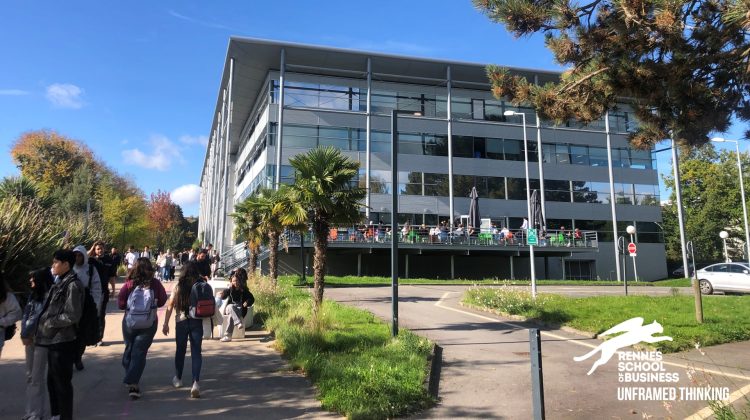
Rennes School of Business building

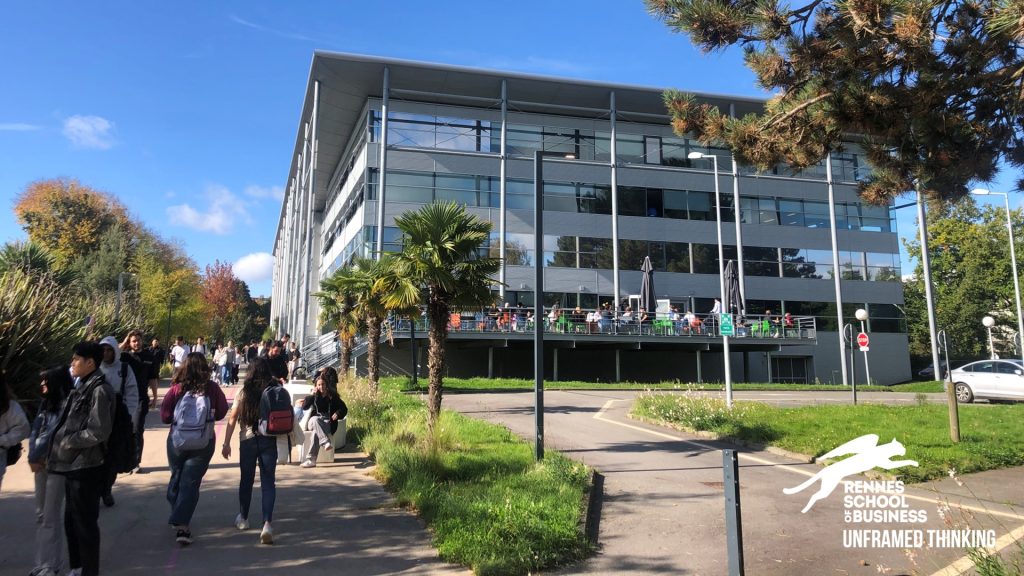
This week we are highlighting a business school in western France! They offer business classes at the Bachelor and Master levels, holding AACSB and AMBA accreditations, making it part of the top 1% of business schools in the world. With around 67,000 students, Rennes has a lively atmosphere and plenty of entertainment as well.


Students may apply for summer, semester, or academic year:

Fall Semester: early September to mid-December
Spring Semester: early January to late April
Summer Programs: mid-May to mid-July

The application to apply for Summer 2026 is fast approaching!  For each of the programs below, you will pay a 90 EUR application fee and MSU in-state tuition. Housing, meals, transportation, and personal expenses are to be paid separately.

Rennes School of Business building

Deadlines to apply for Summer:
AI Business – March 2, 2026
All Others – April 30, 2026

AI Business

  • May 18 – June 12, 2026
  • Courses Offered: TBD

Digital Marketing & Branding

  • June 1 – 12, 2026
  • Courses Offered: TBD

Sustainable Business

  • June 23 – July 3, 2026
  • Courses Offered (Pick One):
    • MGT 400
    • MGT 441
    • MGT 760

Cross-Cultural Management

  • July 6 – 17, 2026
  • Courses Offered (Pick One):
    • MGT 447
    • MGT 747


MSU students who have studied here in the past have taken courses in Global Sustainability Issues, Managing International Complexity, Corporate Finance, Strategic HR Management, and more when studying for an academic semester*.

*France uses ECTS credits, which transfer differently to US credits, so make sure to coordinate with your adviser on which courses you wish to take. This may include combining courses to reach desired credit hours.


Fun Facts

  1. 90% of the professors are international
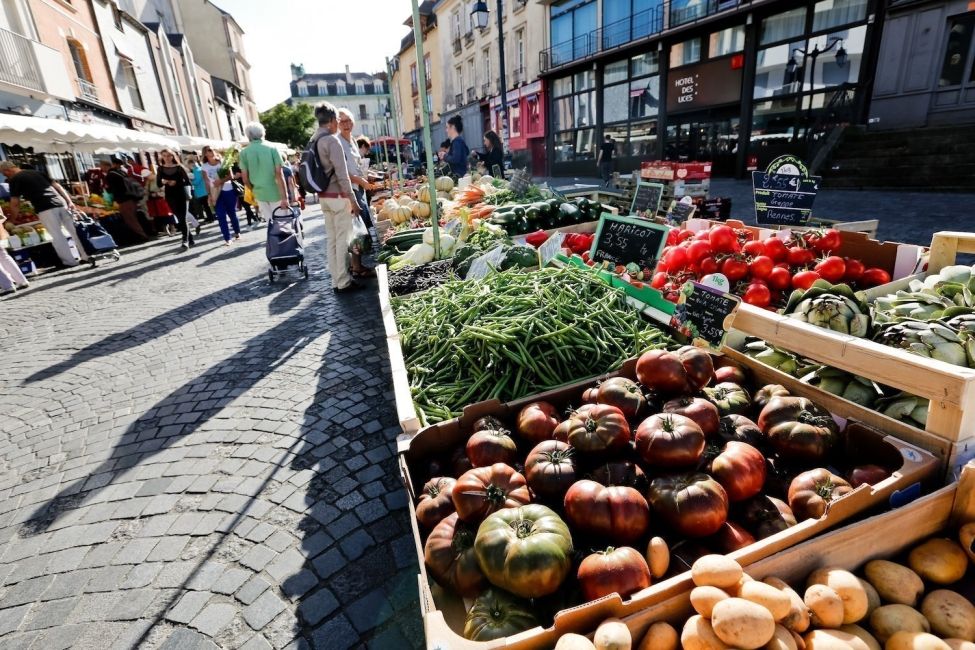
  2. The city centre hosts the largest vegetable market in Europe every Saturday morning
  3. More than 200 events are organized on campus
    every year by student associations


Housing

Shared apartment or house; independent apartment/studio in a private residence; private, independent apartment/studio; home stay; state student hostels.  Rooms are generally furnished and equipped.  Costs typically range from 350-500 EUR per month.  The Rennes School of Business Accommodation Department will contact all incoming students by email once acceptance is complete.  The school has its own housing platform, which allows you to find accommodation, find a roommate, find a subletting, or find a temporary room.


Get to Know Rennes

Shopping

Shopping opportunities are readily available,
both in the old center of the city as well as in the
suburbs.  Place de la Republique is the main
square in the center of town. The Saturday
morning market at Place des Lices is a popular
shopping venue.


Climate

Rennes has a temperate climate with precipitation evenly distributed throughout the year. Winter temperatures average lows of 32ºF and highs of 45ºF; snow and ice are possible but not frequent.  Summer temperatures average lows of 60ºF and highs of 80ºF.

Entertainment

Rennes offers a rich cultural scene, with museums such as the Rennes Folk Museum, which explores daily life over five centuries, and Les Champs Libres, a modern multimedia and performance center. The city hosts many cultural and sporting events, including jazz festivals, air shows, and women’s tennis tournaments. The campus features two gymnasiums, and exchange students can easily meet others by joining social, civic, or athletic organizations. Rennes is also ideally located near major attractions, including the D-Day beaches, Mont Saint-Michel, St. Malo, the Forest of Brocéliande, and the Loire Valley, and is just a 90-minute train ride from central Paris. The Well’Come team regularly organizes affordable trips and cultural visits throughout the region and beyond.


For those interested in studying at Rennes School of Business, you can visit their Magellan page, and schedule a meeting with IBP.

→Visit the Rennes School of Business website here


Filed Under: Partner Universities Tagged With: Europe, France, Magellan Exchange, Rennes, Semester Study Abroad, Summer Programs

Life as a Teaching Assistant in China

February 13, 2026 by Alyson Harter

China TA's with MSU professors, Courtney Pham and Russel Meek

Baylor Long started as a Teaching Assistant (TA) at the College of Business’s partner school in Dalian, China in Fall 2025. This post highlights how he discovered this opportunity and what he has experienced so far!

Baylor had previously studied abroad, during his senior year of undergraduate, when he participated in a long-term program in Thailand. While he was learning about study abroad programs and researching them, he came across the China TA Program on Missouri State’s website. He had previously talked to the study abroad advisor, and upon returning to the states after his time studying abroad, he showed further interest from there.

When asked how he prepared for travel, he answered by saying this:

“Having already been to Asia and specifically China before, I kind of knew what to expect, but when preparing to live in a new country for an extended period, it can always be difficult.

One of the best things I can recommend about being a China TA is to talk to your professors and find previous teaching assistants that have been there before. They will be able to give you the best advice.

Other than that, make your packing list early and repack, less and less each time. You will be there for a long time and can always buy whatever you need when you arrive. If there is something specific like a snack or medicine you might want, research if it is sold there as some things might not be (almost everything is).”

Baylor and Brunno posing at a Yacht Marina


Other Helpful Tips from Baylor

There will be certain apps you cannot live without and must download before going.

These include:

  • WeChat – Messaging people, ordering taxis, food, & anything else you might need
  • Alipay – A second form of payment that is always convenient to have (Everything is QR code payment, so carrying around a credit card will not work)
  • A VPN – Many students use “Shadow Rocket” or “Astrill”

Getting Acclimated to Life in Dalian

The best way to get acclimated is don’t be afraid to talk to people! The students and the staff on campus are very friendly. Any questions you have they are more than willing to help you. If you are out and about, while at first it might feel weird, people on the street are always willing to help, even if they don’t speak any English.

Baylor with some friends he met while being a TA in China

On campus, there are various WeChat groups. There is an English corner group that meets twice a week with other foreigners and Chinese citizens who go to practice or use English. You can also find groups for sports and other activities.

Learning Chinese is also very helpful, even if it is a few simple words and sentences. Learning to say hello, thank you, and numbers in Mandarin is a lifesaver when buying something from a small shop or street food stand. You will also need to know how to say the last four digits of your phone number when you get in a taxi!


Working as a TA in Dalian

China TA's with MSU professors, Courtney Pham and Russel Meek

Working as a TA is very fulfilling. You are the face of the professor that is in America. These classes are 125 students plus, so inevitably, students are going to come to you with questions. When talking with students, be clear and patient. Chinese students are very good at reading and writing, their main focus throughout childhood was never speaking and listening comprehension.

When having conversations with them, speak simply, directly, and always ask if they understand. Do not be afraid to talk to people and introduce yourself. Students from all over the university would love to practice English and make a foreign friend.


Beyond Dalian

Baylor also had the opportunity to do some additional traveling outside of Dalian. He has been to neighboring cities such as Beijing, Shenyang, and Shenzhen. We did a Q&A with him to learn more about those experiences.

Baylor and Brunno sitting on a boat

How did you travel, where did you stay?

The high-speed trains are very efficient, cheap, and do not require long airport lines. For example, when I went to Beijing from Dalian, I arrived at the train station 30 minutes before and still had 20 minutes before the train left when I got to my gate.

Otherwise, airports work the same, except they are more efficient and the food is much cheaper! For booking trains, I use the app Trip.com, and for booking hotels, I use Booking.com. Hotels in East Asia, especially using a platform like booking.com, is much cheaper than Airbnb (which has very limited options). In China, I always recommend that you check if the hotel is foreigner friendly – in some cases, they will not accept any foreigners.

How did you feel about navigating traveling within China?

Navigating China is the easiest, cleanest, and most efficient place I have travelled. Everything is on time, fast, and well labeled, so you are very sure of where to go. In Dalian, the bus is very clean and only costs 14 cents to get from one side of the city to the other. A taxi might only cost $3-$5 for a 45 minute to 1 hour ride. And a train ticket to Beijing will only cost about $45. All of these modes of transportation felt safe, and I never had any issues.

Did you coordinate everything yourself, did you have help from a tour company or someone on campus, etc.?

All my travels I have researched and booked myself. For some of the neighboring cities of Dalian, I have asked students for recommendations on where to go and what to do. They were more than willing to help with anything! Travel in East Asia is cheap, so wherever you might go, a professor has likely been to that country, or a student has been to that city in China. Don’t be afraid to ask around and find out.


If you are interested in participating in or learning more about the China Graduate/Teaching Assistantship program, please visit the webpage with the link below.

→ Click here to access China TA Program webpage

Filed Under: Student Stories Tagged With: China TA, Dalian

University Spotlight: ESERP Business School in Barcelona, Spain

February 4, 2026 by Alyson Harter

Each week, International Business Programs will be spotlighting one of our partners through the Magellan Exchange network. The Magellan Exchange offers students an affordable opportunity to study abroad and get fully immersed in the educational and social life of their host country. Rather than pay a program fee, students pay MSU in-state tuition. Students can choose from semester or academic year programs. Summer, short-term programs, and internships are available in some locations.


This week’s university spotlight is the ESERP Business School in Barcelona, Spain!

outside of the ESERP Business School building

Students may apply for a semester or academic year.

Fall Semester: mid-September to early February*
Spring Semester: early February to early June

*If the student leaves before the end of the fall semester
in February, some possible exams could be done at the
home university, but this must be carefully organized in
advance and cannot be guaranteed.

Therefore, spring semester participation is recommended.


ESERP offers Bachelor courses in International Business, Marketing, Law, and Criminology, with all courses taught in English. There are also some internships available!

Some ESERP courses taken by MSU students in the past include: Commercial Techniques, International Marketing, Marketing and E-Commerce, Marketing Project Management. Students will work with IBP to find courses that align with their degree.

See a full list of course offerings here

Students may choose from shared/private apartments or privately-operated residence halls. Housing services are also available to help students find their preferred housing option. Prices can range from 300 – 1,000 EUR per month, depending on the location and type of housing.


one of the classrooms at ESERP Business School

Fun Facts:

1. Classroom size of 20-30 students

2. Free Spanish courses offered for international students

3. 325 days of sunshine a year


Get to Know Barcelona

There are many places around campus to explore and immerse yourself in the culture of the city. The ESERP website highlights a few reasons why this location is a great choice for studying abroad:

“Fascinating museums, Mediterranean culture, architecture, gastronomy, sports, international fairs, beaches, a multicultural atmosphere and, of course, a unique and international business network make Barcelona the perfect city for students.”

cityscape of Barcelona, Spain

Entertainment:

Barcelona offers a wide variety of restaurants, bars, bistros, cafes, and snack bars. There is also numerous cinemas, live theatre, museums, community events, festivals, concerts, and sport activities available. The large student population in the city contributes to plenty of nightlife and entertainment options.


Shopping:

There are abundant shopping options, from small shops to large shopping centers.

Climate:

There is a Mediterranean climate with mild winters and hot summers. Average temperatures in summer are 80-84ºF, while winter temperatures average 50-60ºF.


For those interested in studying at ESERP Business School in Barcelona, you can visit their Magellan page, and schedule a meeting with IBP.

Filed Under: Partner Universities Tagged With: Europe, Magellan Exchange, Semester Study Abroad, Spain

From Uncertainty to Clarity: A Student’s Transformative Experience in Australia

January 22, 2026 by Hanna Nguyen

Meet Annabella Diaz, a College of Business student majoring in Marketing and Marketing Research. During the spring of her junior year, Annabella participated in the University of Tasmania Exchange program. What began as an academic opportunity quickly became a deeply transformative experience, shaping not only her creative perspective but also the way she views her future.

From inspiring coursework and scenic coastal routines to meaningful travel and personal reflection, Annabella’s semester in Tasmania allowed her to slow down, explore with intention, and reconnect with her sense of possibility. We connected with Annabella to hear more about her favorite classes, memorable experiences, and the lessons that continue to guide her after returning home.

What was your favorite class, activity, or experience while abroad?

“My favorite class abroad was Branding and Visual Design. It turned Monday into something I anticipated each week. The walk to class became part of the routine I loved, moving through the city and along the water’s edge where the fishing boats were coming in each morning. The class was in a pink building, a small detail that added charm and made the class feel even more memorable. Inside, the environment was freeing and creative. Our professor encouraged imagination while also challenging us to think beyond the obvious and push ourselves. It was the class where I consistently felt inspired.”

Did you explore any unique places or take memorable trips in Australia?

“Over Easter, my partner and I planned a road trip and decided to rent a car. Since Australia drives on the opposite side of the road, my partner Jaxxon met with the rental staff to make sure everything was set and to get a few driving tips. When he mentioned our plan to drive through the night, the salesperson strongly advised against it, explaining that nighttime driving greatly increases the risk of hitting wildlife.

We ended up replanning our entire route, and it turned out to be a blessing. Slowing down allowed us to spend more time in each place and really take in the experience rather than rushing from one stop to the next. My favorite place we visited was Maria Island, which had a peaceful, untouched beauty. While we were there, my partner also got to see his favorite animal in real life, the wombat, which made the experience even more memorable for both of us.”

What new foods did you try, and which one was your favorite?

“Our hosts had a beautiful garden, and one of my favorite parts of staying with them was getting to pick fresh fruit and harvest vegetables. I tried several new foods for the first time, including figs, passion fruit, silverbeet, and rhubarb. My host Janina also made homemade jams, including rhubarb and apple jam and quince jam, which made the experience even more special.

My favorite food experience, though, was on my birthday. Our hosts took us to a Greek restaurant called Urban Greek, and it ended up being the best meal I had in Australia, maybe even one of the best meals of my life. I ordered the Moussaka, which had layers of smoked eggplant, zucchini, and tomato over a smooth potato puree, topped with Tasmanian beef mince and their house-made bechamel.”

How did this experience impact your personal growth or future goals?

“This experience transformed me in ways I never expected. Before going to Tasmania, I felt lost and uncertain about my future, unsure of what I wanted or whether the life I imagined for myself was even possible. Being abroad shifted that. It gave me the space to reconnect with my sense of possibility, and for the first time in a long while, I felt grounded and open to the idea that my dreams were not out of reach.

Living in Tasmania changed the way I understood myself and how I wanted to move through the world. I began to slow down and be present, taking in the world around me instead of rushing past it like I had been doing back in the United States. Being immersed in a new culture helped me appreciate the depth that comes from genuine connection and from allowing myself to move through life with intention.

When I returned, I knew I was not the same person who had left. I came back with a clearer understanding of who I want to become and a renewed confidence in my ability to build a life that reflects my values. My time abroad showed me that sometimes you have to move through a period of uncertainty to reach clarity, and that understanding is continuing to guide the way I approach my future.”

What advice would you give to other students considering studying in Australia?

“I would encourage future students to pack light. I overpacked with clothes and shoes I barely used. Keeping your packing simple makes traveling easier and gives you the space to bring home the things you collect along the way.”

If you could describe your study away in Australia in three words, what would they be?

“Peaceful, Scenic, and Transformative.”

To learn more about our study abroad programs or schedule an appointment, visit our website and explore your options.

→ Click here to access IBP website

Filed Under: Student Stories

My Journey in China

January 22, 2026 by Hanna Nguyen

The Best Coincidence in My life

By Brunno Tomiyama Suzuki

A year ago, I would not have thought that I would be living and working as a teaching assistant in Dalian, China. My journey to arrive here is one of my favorite stories. While finishing my undergraduate degree and beginning my Accelerated MBA at MSU as an international student-athlete from Brazil, I was searching for a Graduate Assistant (GA) position. I initially spoke with Dr. Shao, who recommended a few TA roles, but none of them felt like the right fit.

That same day, I happened to pass by the International Business Programs office and ran into some friends. In the middle of our conversation, I discovered that a friend’s boyfriend was actually heading to Dalian, China for a TA position. A few days later, I met him at work, and he took the time to explain the role and help me understand the process. Even though I was expecting the position in for the Spring semester, a couple weeks later, I received the good news that a new spot opened up for the Fall semester. Shortly after, Mary Tomerlin reached out to me, and the rest was history. Dr. Shao also travelled to China with me in August. This is a good example that sometimes a good opportunity starts from a simple “hello” in a hallway.

Preparing for China was a rollercoaster. On one hand, I was incredibly stressed about the language barrier, moving to a country where you don’t speak the local language is a real challenge. On the other hand, everything I had seen about China on social media made me so excited to see the reality of the country for myself.

When it came time to pack, I wanted to bring pieces of my “homes” with me. I packed plenty of Missouri State shirts to represent my university and clothes from Brazil because I love sharing my culture with the people I meet. Representing both my Brazilian roots and my American education has been a great conversation starter.

The moment I stepped off the plane, I was impressed by how massive and beautiful Dalian is. It is a city with incredible scales and architecture. One of the most interesting parts of my experience so far is a bit of a cultural “plot twist”: Since I am Asian descent, locals often assume I am Chinese. They will approach me and start speaking in Chinese immediately! While it can be a challenge with the language barrier, it’s also a great way to experience how welcoming and curious people here are toward foreigners. The energy of this city is amazing. To be honest, I could see myself living here for a very long time.

About the experience in the classroom at LNNU-MSU CIB, I am currently assisting with Marketing and Management courses. Even though my background is in Economics and Finance, Marketing and Management is a big part of international business, and it’s been a great way to broaden my perspective.

The biggest difference I notice in the students here is the effort they put in despite a significant language barrier, since all classes are taught in English. It has changed how I approach my own MBA studies. Being a TA forces you to stay organized and “think like a professor.” When you must understand a concept well enough to help someone else, your own study habits improve naturally.

If you’re in Springfield wondering if you should take the opportunity and come to Dalian, my advice is simple: Do it! The growth you experience in a completely new culture is something you can’t get from a textbook.

Filed Under: Student Stories

Categories

Archives

Meta

  • Log in
  • Entries feed
  • Comments feed
  • WordPress.org
  • Accessibility
  • Disclaimer
  • Disclosures
  • Equal Opportunity Employer and Institution
  • © 2026 Board of Governors, Missouri State University
  • Contact Information