Missouri State University

Skip to content Skip to navigation
a b c d e f g h i j k l m n o p q r s t u v w x y z

International Business Programs Blog

Insight and inspiration for students abroad

A German Exchange Experience: Studying in Aachen and Schmalkalden

August 25, 2026 by Alyson Harter

At least once a month, International Business Programs will be spotlighting one of our partners through the Magellan Exchange network. The Magellan Exchange offers students an affordable opportunity to study abroad and get fully immersed in the educational and social life of their host country. Rather than pay a program fee, students pay MSU in-state tuition. Students can choose from semester or academic year programs. Summer, short-term programs, and internships are available in some locations. 

This time, we wanted to spotlight two partner universities in Germany – Aachen and Schmalkalden University of Applied Sciences! Each city offers unique qualities based on which type of experience you prefer. Aachen is the western-most city in Germany, bordering the Netherlands and Belgium, and started as part of the Roman Empire. The university is known for its great ability to teach things hands-on, especially in the engineering and technology fields, but they offer a large variety of business courses as well. Schmalkalden offers a varied mix of innovative courses of study such as multimedia marketing or international business and economics. The town is peacefully situated at the foot of the Thuringian Forest and is praised for its focus on nature and culture. Read on to discover what makes each university and city a great fit for different interests, goals, and lifestyles. 


Students may apply for a semester or academic year:

Aachen University of Applied Sciences:  

Offers free German Language courses! 

See full list of courses here 

Winter (Fall) Semester:
early September to late-February*

Summer (Spring) Semester:
early-March to late-August


Schmalkalden University of Applied Sciences: 
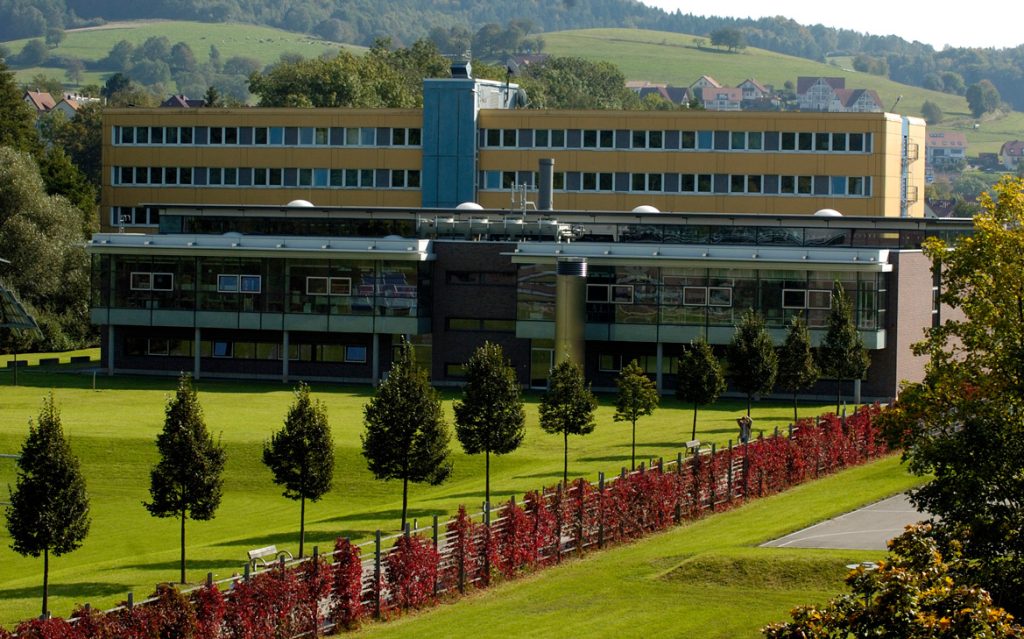
See full list of courses here 

Winter (Fall) Semester:
early October to late-February*

Summer (Spring) Semester:
early-April to early-August


*Note that the fall semester ends in February and taking final  exams early or remotely may not be possible. Any arrangements require advance planning and cannot be guaranteed. Therefore, spring semester participation is recommended. 

Both universities typically offer short-term summer programs as well that work with universities in other cities! To learn more about Magellan short-term and summer programs, see the list of last year’s programs.


Fun Facts about Aachen 

1. The city is home to Europe’s largest thermal springs, offering relaxation and rejuvenation. 

2. It was Charlemagne’s favorite residence, and an important location for the Holy Roman Empire. 

3. There is a special type of gingerbread called Printen that is only allowed to be made in and around the city. 


Fun Facts about Schmalkalden
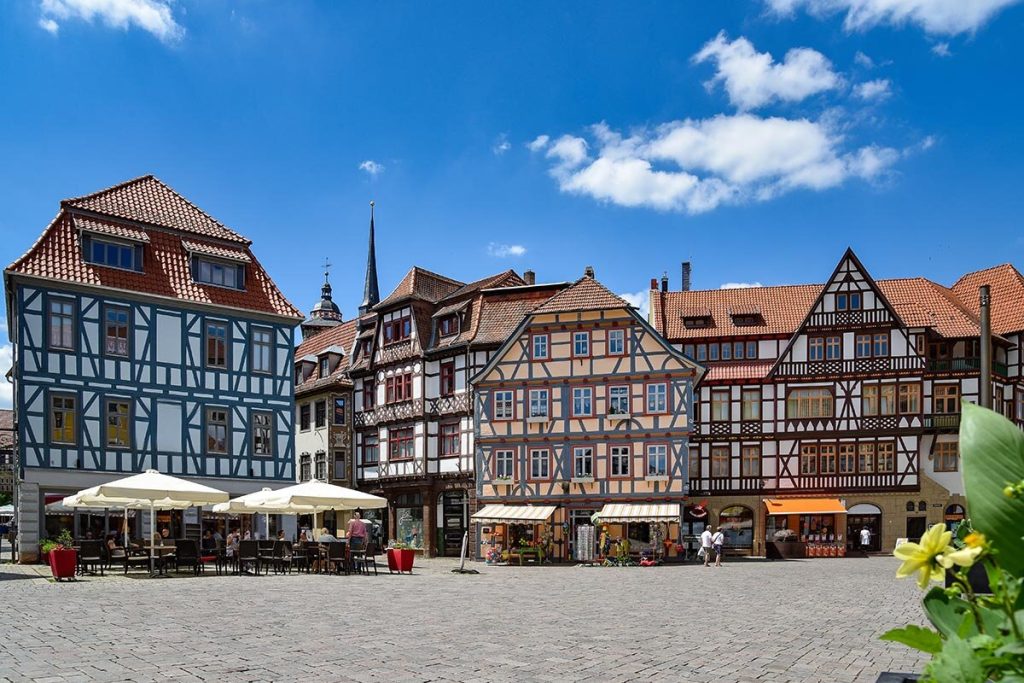
1. About 90% of the original half-timbered houses from the Middle Ages and Renaissance still stand. 

2. The town and its surroundings can be explored on ten circular hiking trails, cycle paths, or by Nordic walking tours. 

3. The university campus boasts a self-contained layout where all facilities are within an easy 5 to 10-minute walk of one another. 


Housing

One of the biggest differences between Aachen and Schmalkalden is the housing experience. While both offer affordable student accommodations compared to many universities in the United States, the setup and availability can vary. 

In Schmalkalden, students can choose from on-campus or nearby off-campus residences. Housing is fully furnished and includes options for private rooms or shared living arrangements. Costs average around €200 per month plus a refundable €300 security deposit. Because demand is high, students should apply for housing at least six months before the semester begins. 

In Aachen, housing is more competitive due to the city’s large student population of around 60,000 students. The International Office assists exchange students with finding accommodations, including shared apartments, dormitories, and private apartments. Housing typically costs €200–350 per month for shared housing or dorms and €250–500 per month for apartments, with a refundable deposit often equal to two months’ rent. Students are encouraged to begin their housing search two to three months before arrival. 

No matter which destination you choose, both cities offer affordable living compared to many study abroad locations. Students studying in Aachen should plan for approximately €934 per month in living expenses, which also aligns with Germany’s proof-of-funding requirements for a residence permit. Whether you prefer the smaller, close-knit feel of Schmalkalden or the bustling university-city atmosphere of Aachen, you’ll find plenty of options to make Germany feel like home. 


Get to Know the Cities of Aachen & Schmalkalden 

Aachen and Schmalkalden each offer unique student experiences. Aachen is a larger, more vibrant city with diverse restaurants, cultural attractions, festivals, and entertainment options. Schmalkalden provides a smaller, close-knit community with an active campus life, strong support for international students, and easy access to outdoor activities. While Aachen offers a bustling urban atmosphere, Schmalkalden is ideal for students seeking a more relaxed and nature-oriented environment. 

Entertainment

Aachen is a vibrant city packed with things to see, do, and experience. Food lovers will find no shortage of restaurants, cozy cafés, lively bars, charming bistros, and quick snack spots to explore. Beyond its culinary scene, the city offers plenty of entertainment, from cinemas and live theater performances to a wide range of sports and recreational activities. History and technology enthusiasts can visit fascinating museums, including the Newspaper Museum and the Computer Museum. Throughout the year, Aachen comes alive with special events – from the colorful celebrations of Karneval in the week leading up to Ash Wednesday to the lively open-air performances held on Katschhof Square during the summer months. And when the holiday season arrives, the city’s enchanting Christmas markets transform Aachen into a festive wonderland, making holiday shopping a truly memorable experience. 

Life in Schmalkalden offers the perfect balance of academics, community, and outdoor adventure. The charming city center is filled with welcoming restaurants, cafés, and traditional pubs, making it easy to enjoy local food and connect with friends. On campus, students have access to a variety of recreational activities, including sports facilities and a pool, while the popular Student Club serves as a lively gathering spot for socializing in the evenings. International students can take advantage of a robust support program organized by the Department of Studies & International Relations, featuring excursions, cultural events, study trips, parties, and other opportunities to explore Germany and build lasting friendships. For those who enjoy staying active, the University Sports Office offers a wide range of activities – from basketball and volleyball to swimming – many of which are free of charge. Surrounded by the scenic landscapes of the Thuringian Forest, Schmalkalden is also an ideal destination for outdoor enthusiasts, with excellent opportunities for biking, hiking, trekking, and skiing throughout the year. 

Shopping

In Aachen, small shops and supermarkets are available and open until 8:00 p.m. Monday through Saturday. Generally, stores are not open on Sundays in Aachen, although the nearby Dutch city of Vaals does have Sunday shopping. 

Schmalkalden has grocery stores and a few retail stores near campus, while more stores and a hypermarket can be found near the city center, approximately 10 minutes’ walk from campus. 

Climate 

For both locations, average temperatures in summer are 64-72ºF, while winter temperatures average about 35ºF.  It is seldom warmer than 80ºF or colder than 25ºF.  Precipitation is evenly distributed throughout the year; periods of freezing weather and snow are relatively short.  


For those interested in studying at either of these universities, you can schedule a meeting with IBP, and visit their respective Magellan pages to learn more about their exchange programs: Aachen University of Applied Sciences and Schmalkalden University of Applied Sciences. 

Visit Schmalkalden UAS’s website here 
Visit Aachen UAS’s website here 

Filed Under: Partner Universities

University Spotlight: Payap University in Chiang Mai, Thailand 

March 10, 2026 by Alyson Harter

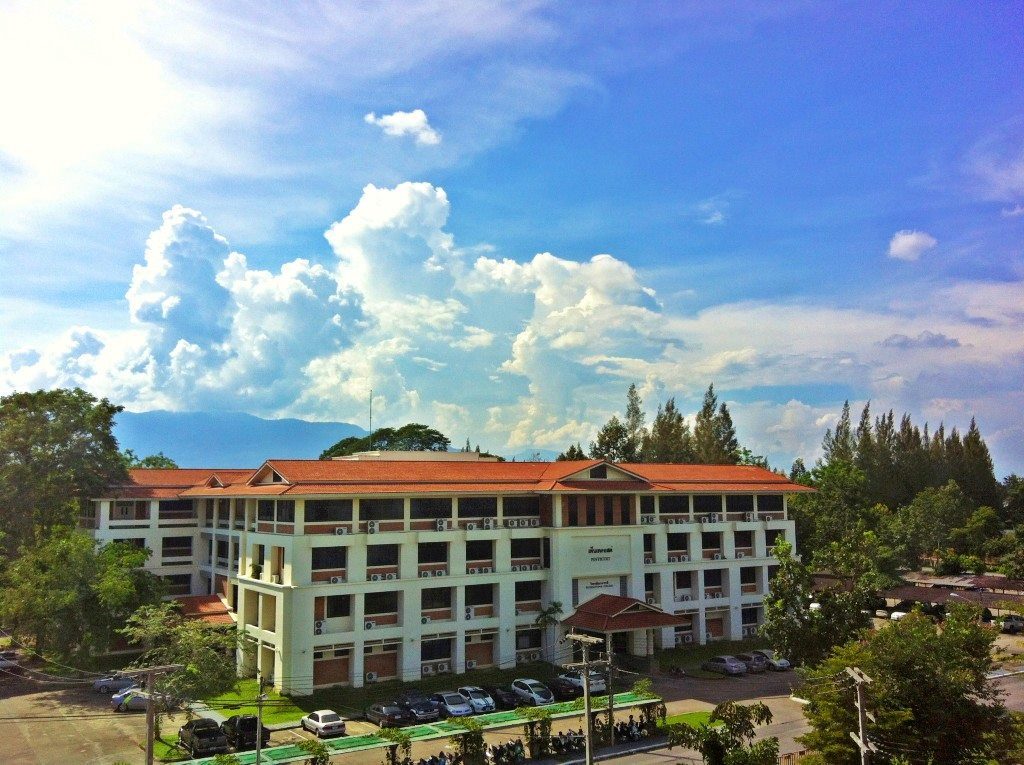
Our next partner university spotlight is Payap University in Chiang Mai, Thailand! This university is relatively new to the Magellan Exchange Program, but they have been an international school for many years that focuses on cultivating global citizens. They are most known for their Information Technology and Hospitality Industry Management Bachelor programs, with many courses focusing on International Business as well. See a list of courses here.


Students may apply for summer, semester, or academic year: 

Fall Semester: mid-August to mid-December
Spring Semester: mid-January to mid-May
Summer Programs: early-July to early-August 

Summer 2026 Programs:

Thai Studies: Language, Culture & Community:

  • July 5-18, 2026 

Sustainable Business:

  • July 26 – August 8, 2026 

Program Fee: approx. $2,000*

*This fee includes accommodation,
breakfasts, lunches, local transport, 
excursions, and cultural/social activities.

Application Deadline: April 30th

 Fun Facts 

1. It became the first private
university in Thailand in 1984. 

2. There are a variety of festivals
throughout the year international
students can participate in to
learn more about Thai culture. 

3. Chiang Mai is famous for its
street food and night markets. 


Housing

Students can choose between living on campus in a dormitory or renting an apartment nearby, depending on their lifestyle and budget. On-campus housing is available at Omega and Alpha Dormitories, where students share accommodation in a supportive campus environment. Room options for two people include Standard Twin, Superior, and Deluxe, while Suites are designed for four students. The cost ranges from approximately $350 to $600 per semester and includes cleaning services, shuttle bus transportation, and utilities. Students who prefer more privacy can select a two-person room and pay the full cost to use it as a single room. 

For those who prefer to live off campus, fully furnished studio apartments are available within close proximity to the university. Monthly rental fees typically range from $150 to $200, although water and electricity are usually not included. Most apartment providers require a security deposit along with the first month’s rent to be paid in advance before arrival. Both options offer comfortable living arrangements, allowing students to choose what best suits their needs and preferences. 


Get to Know Chiang Mai 

Chiang Mai provides students with a lively blend of cultural experiences and outdoor activities. On campus, students can take part in festivals, community service projects, and cultural events, while off campus they can explore nearby national parks and local fresh and night markets.  

Entertainment

Students have access to a variety of on-campus and off-campus activities. On campus, they can participate in student activities, community service projects, field trips, cultural events, and festivals, including International Day. Off campus, students can explore the natural beauty of the region, with many national parks located nearby, as well as enjoy local fresh markets and night markets to explore the culture.
You can learn more about Chiang Mai here. 

Shopping

Department stores are usually open by 9 AM and close in the late evening. Convenience stores are often open 24 hours. Local fresh markets are all around the city and weekly night markets are also available for shopping and cultural exploration. 

The night markets are known for their lively atmosphere and variety of goods offered – so get ready to barter! You will find your best souvenirs, handicrafts, and accessories here that you can bring back home as keepsakes as well as find some delicious food to fuel all your walking. Some markets even offer foot massages that are very affordable and much needed after all the shopping!

Climate

Chiang Mai has a tropical wet and dry climate with distinct seasons. The cool season (November to February) offers pleasant temperatures from 59-86ºF/15-30ºC with low humidity and minimal rainfall. The hot season (March to May) sees temperatures of 95-104ºF/35-40ºC with occasional thunderstorms. The rainy season, when humidity peaks, is from June to October.


For those interested in studying at Payap University, you can visit their Magellan page, and schedule a meeting with IBP. 

→Visit Payap University’s website here

Filed Under: Partner Universities Tagged With: Asia, Magellan Exchange, Semester Study Abroad, Summer Programs, Thailand

University Spotlight: Rennes School of Business in Rennes, France

February 23, 2026 by Alyson Harter

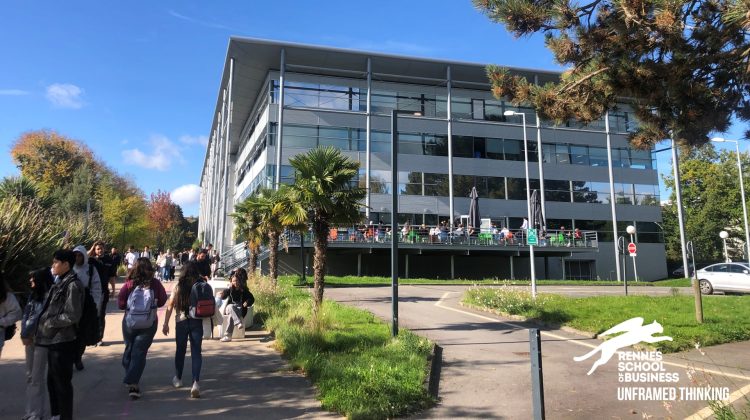
Rennes School of Business building

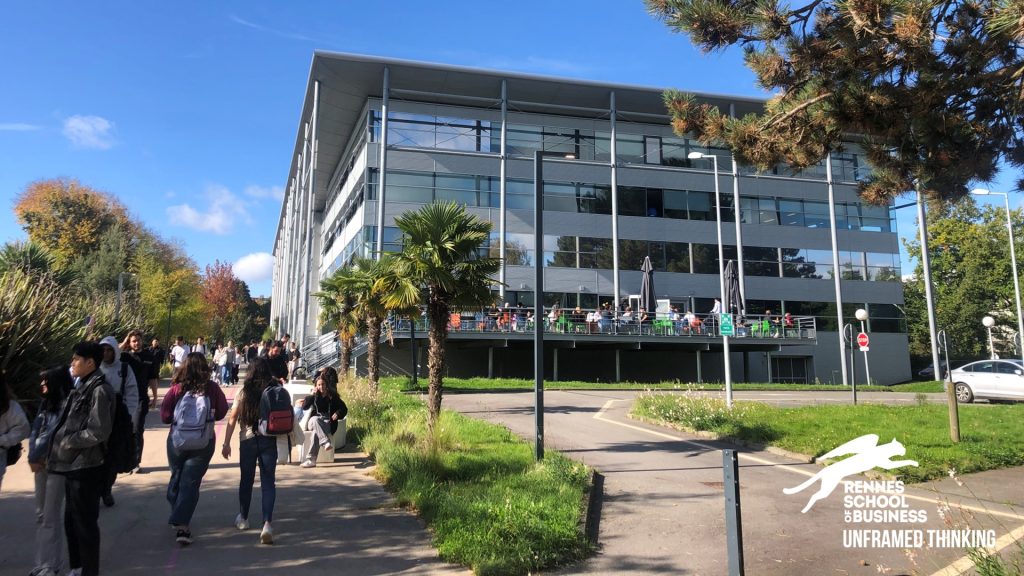
This week we are highlighting a business school in western France! They offer business classes at the Bachelor and Master levels, holding AACSB and AMBA accreditations, making it part of the top 1% of business schools in the world. With around 67,000 students, Rennes has a lively atmosphere and plenty of entertainment as well.


Students may apply for summer, semester, or academic year:

Fall Semester: early September to mid-December
Spring Semester: early January to late April
Summer Programs: mid-May to mid-July

The application to apply for Summer 2026 is fast approaching!  For each of the programs below, you will pay a 90 EUR application fee and MSU in-state tuition. Housing, meals, transportation, and personal expenses are to be paid separately.

Rennes School of Business building

Deadlines to apply for Summer:
AI Business – March 2, 2026
All Others – April 30, 2026

AI Business

  • May 18 – June 12, 2026
  • Courses Offered: TBD

Digital Marketing & Branding

  • June 1 – 12, 2026
  • Courses Offered: TBD

Sustainable Business

  • June 23 – July 3, 2026
  • Courses Offered (Pick One):
    • MGT 400
    • MGT 441
    • MGT 760

Cross-Cultural Management

  • July 6 – 17, 2026
  • Courses Offered (Pick One):
    • MGT 447
    • MGT 747


MSU students who have studied here in the past have taken courses in Global Sustainability Issues, Managing International Complexity, Corporate Finance, Strategic HR Management, and more when studying for an academic semester*.

*France uses ECTS credits, which transfer differently to US credits, so make sure to coordinate with your adviser on which courses you wish to take. This may include combining courses to reach desired credit hours.


Fun Facts

  1. 90% of the professors are international
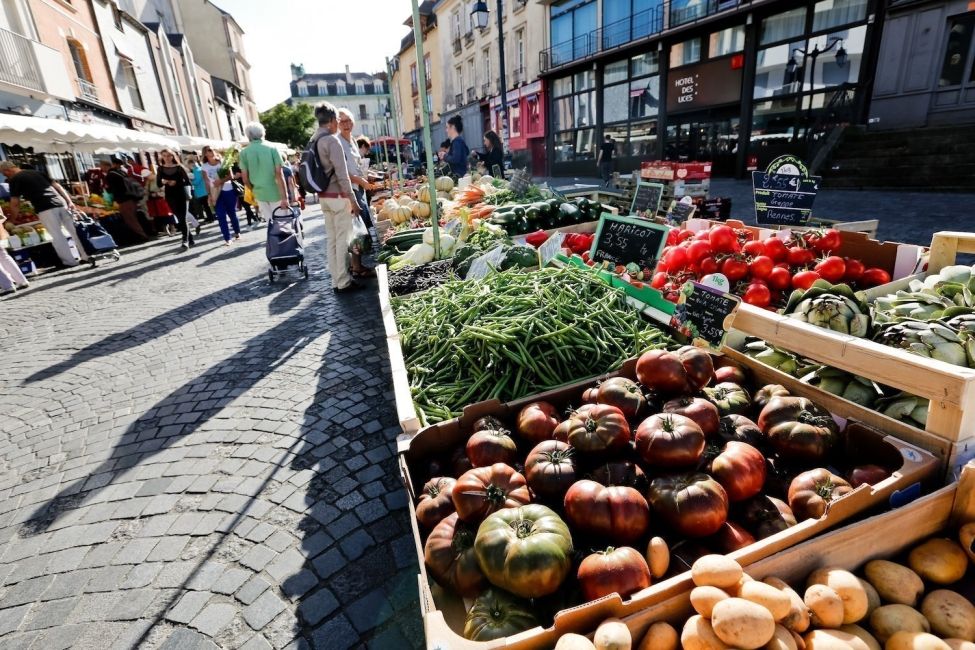
  2. The city centre hosts the largest vegetable market in Europe every Saturday morning
  3. More than 200 events are organized on campus
    every year by student associations


Housing

Shared apartment or house; independent apartment/studio in a private residence; private, independent apartment/studio; home stay; state student hostels.  Rooms are generally furnished and equipped.  Costs typically range from 350-500 EUR per month.  The Rennes School of Business Accommodation Department will contact all incoming students by email once acceptance is complete.  The school has its own housing platform, which allows you to find accommodation, find a roommate, find a subletting, or find a temporary room.


Get to Know Rennes

Shopping

Shopping opportunities are readily available,
both in the old center of the city as well as in the
suburbs.  Place de la Republique is the main
square in the center of town. The Saturday
morning market at Place des Lices is a popular
shopping venue.


Climate

Rennes has a temperate climate with precipitation evenly distributed throughout the year. Winter temperatures average lows of 32ºF and highs of 45ºF; snow and ice are possible but not frequent.  Summer temperatures average lows of 60ºF and highs of 80ºF.

Entertainment

Rennes offers a rich cultural scene, with museums such as the Rennes Folk Museum, which explores daily life over five centuries, and Les Champs Libres, a modern multimedia and performance center. The city hosts many cultural and sporting events, including jazz festivals, air shows, and women’s tennis tournaments. The campus features two gymnasiums, and exchange students can easily meet others by joining social, civic, or athletic organizations. Rennes is also ideally located near major attractions, including the D-Day beaches, Mont Saint-Michel, St. Malo, the Forest of Brocéliande, and the Loire Valley, and is just a 90-minute train ride from central Paris. The Well’Come team regularly organizes affordable trips and cultural visits throughout the region and beyond.


For those interested in studying at Rennes School of Business, you can visit their Magellan page, and schedule a meeting with IBP.

→Visit the Rennes School of Business website here


Filed Under: Partner Universities Tagged With: Europe, France, Magellan Exchange, Rennes, Semester Study Abroad, Summer Programs

University Spotlight: ESERP Business School in Barcelona, Spain

February 4, 2026 by Alyson Harter

Each week, International Business Programs will be spotlighting one of our partners through the Magellan Exchange network. The Magellan Exchange offers students an affordable opportunity to study abroad and get fully immersed in the educational and social life of their host country. Rather than pay a program fee, students pay MSU in-state tuition. Students can choose from semester or academic year programs. Summer, short-term programs, and internships are available in some locations.


This week’s university spotlight is the ESERP Business School in Barcelona, Spain!

outside of the ESERP Business School building

Students may apply for a semester or academic year.

Fall Semester: mid-September to early February*
Spring Semester: early February to early June

*If the student leaves before the end of the fall semester
in February, some possible exams could be done at the
home university, but this must be carefully organized in
advance and cannot be guaranteed.

Therefore, spring semester participation is recommended.


ESERP offers Bachelor courses in International Business, Marketing, Law, and Criminology, with all courses taught in English. There are also some internships available!

Some ESERP courses taken by MSU students in the past include: Commercial Techniques, International Marketing, Marketing and E-Commerce, Marketing Project Management. Students will work with IBP to find courses that align with their degree.

See a full list of course offerings here

Students may choose from shared/private apartments or privately-operated residence halls. Housing services are also available to help students find their preferred housing option. Prices can range from 300 – 1,000 EUR per month, depending on the location and type of housing.


one of the classrooms at ESERP Business School

Fun Facts:

1. Classroom size of 20-30 students

2. Free Spanish courses offered for international students

3. 325 days of sunshine a year


Get to Know Barcelona

There are many places around campus to explore and immerse yourself in the culture of the city. The ESERP website highlights a few reasons why this location is a great choice for studying abroad:

“Fascinating museums, Mediterranean culture, architecture, gastronomy, sports, international fairs, beaches, a multicultural atmosphere and, of course, a unique and international business network make Barcelona the perfect city for students.”

cityscape of Barcelona, Spain

Entertainment:

Barcelona offers a wide variety of restaurants, bars, bistros, cafes, and snack bars. There is also numerous cinemas, live theatre, museums, community events, festivals, concerts, and sport activities available. The large student population in the city contributes to plenty of nightlife and entertainment options.


Shopping:

There are abundant shopping options, from small shops to large shopping centers.

Climate:

There is a Mediterranean climate with mild winters and hot summers. Average temperatures in summer are 80-84ºF, while winter temperatures average 50-60ºF.


For those interested in studying at ESERP Business School in Barcelona, you can visit their Magellan page, and schedule a meeting with IBP.

Filed Under: Partner Universities Tagged With: Europe, Magellan Exchange, Semester Study Abroad, Spain

Categories

Archives

Meta

  • Log in
  • Entries feed
  • Comments feed
  • WordPress.org
  • Accessibility
  • Disclaimer
  • Disclosures
  • Equal Opportunity Employer and Institution
  • © 2026 Board of Governors, Missouri State University
  • Contact Information