
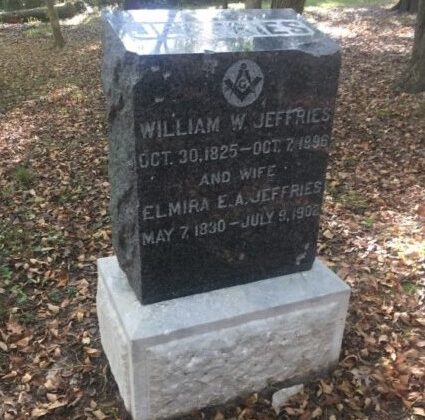
Nineteenth-century gravestones, like those in the Union Campground Cemetery, use a great deal of symbolic imagery to convey meaning about the deceased and the sentiments of their families and friends. A prevalent 19th-century symbol exists in the pair of clasped hands on Jane C. Caldwell’s gravestone. This symbol is interpreted by many sources as a goodbye, where the living … [Read more...] about Gravestone Images in the Union Campground Cemetery: Researched and Conserved by Jasmine Currey

The main purpose of a gravesite is to provide a resting place, but it is also to provide a place where family and friends can visit and show respect to the deceased. Styles of graves and gravestones can vary in style due to income, social class, location, religious beliefs, and time period. Thomas Patterson Ellison’s grave is the oldest in the Union Campground Cemetery, and … [Read more...] about Gravestone Shapes and Types of Graves in the Union Campground Cemetery: Researched and Conserved by Emma Schupbach

In the nineteenth and early twentieth centuries, cemeteries in the Midwest United States were seldom integrated. It is quite significant, therefore, that African Americans are buried in the Union Campground Cemetery, with both African American and Caucasian graves located throughout the cemetery. Because many African Americans of the Ozarks region had limited finances and … [Read more...] about African American Gravestones in the Union Campground Cemetery: Researched and Conserved by Robyn Slusher
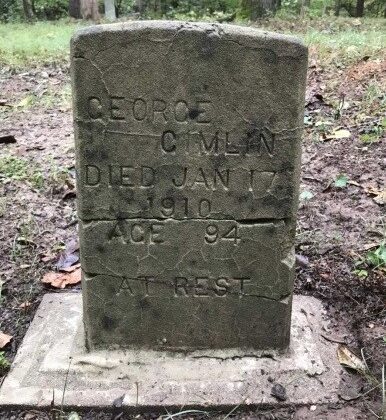
Gravestones are monuments that are usually inscribed with general information about the deceased, including the name, birth date, death date, and sometimes names of close relatives such as parents or spouses. An epitaph, however, is an inscription that goes beyond these basics to memorialize the deceased or to communicate the feelings of the deceased or their survivors. Books … [Read more...] about Gravestone Epitaphs at the Union Campground Cemetery: Researched and Conserved by Katelyn Hageman
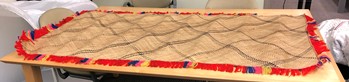
Traditional Fijian woven mats serve as an important part of Fijian identity. Female artisans are taught to make the traditional woven mats from a young age, and finely woven mats are displayed as a source of pride in the household. Simple, practical versions of woven mats are laid over the floors of Fijian homes to serve as rugs, while more elaborate versions of the mats, … [Read more...] about Fijian Sleeping Mat: Researched and Conserved by Nicole Paden