
From April 9-13, the 50th Annual ONS Congress® took place in Denver, Colorado.
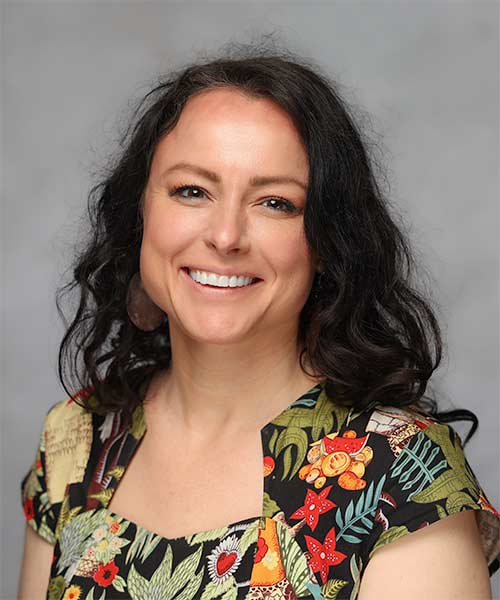
Held at the Colorado Convention Center, the event welcomed more than 4,000 oncology nurses and professionals to commemorate the history and transformation of cancer nursing care. Among them was Yvonne Callahan, clinical assistant professor in the School of Nursing at Missouri State University.
She not only attended the milestone event but also served as a main session presenter.
This year’s theme, “Celebrating Yesterday and Transforming Tomorrow” set the tone for innovation, evidence-based practice and interprofessional collaboration in oncology nursing.
Sharing expertise
Callahan presented on “Cardio-Oncology: It’s not what you think it is!” to help nurses better understand this emerging field.

While the term Cardio-Oncology may suggest a focus on heart cancers, it is actually about maintaining a healthy heart during and after cancer treatment.
The session explored the impact of cancer treatments on the heart and discussed strategies nurses can use to assist patients in managing their cardiovascular health.
“This field is still unfamiliar to many,” Callahan said. “But with the right tools and knowledge, nurses can make a big difference in long-term outcomes.”
She emphasized the need for early education and evidence-based strategies to support patients during and after treatment. Her expertise also led to national engagement, including a podcast appearance, a feature in CURE magazine and a forthcoming article in ONS Voice.
Turning insight into inspiration
Callahan’s session showcased Missouri State’s dedication to advancing nursing education and leadership.
“Being part of this milestone year was incredibly meaningful,” she said. “It’s a reminder of how nurses can lead change locally and globally.”
Her voice contributed to shaping ongoing conversations in one of the fastest-evolving areas in oncology nursing.
Back on campus, Callahan brings insights from the congress into the classroom. She teaches first-semester nursing students how evidence-based practice and professional identity shape meaningful careers.
“When students understand the impact nurses can make, it helps them see their own potential,” she said. “That’s how we prepare them for leadership from day one.”